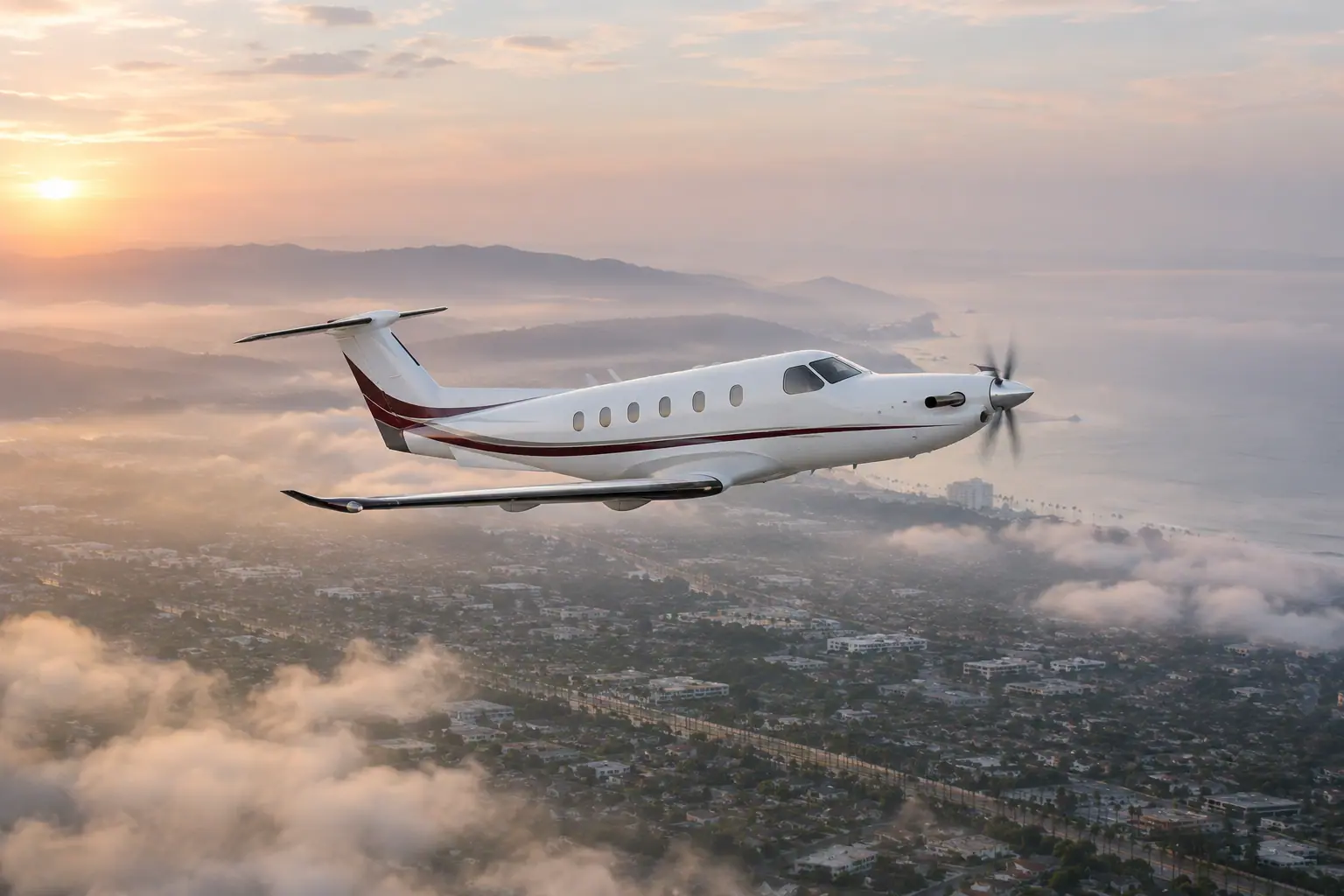
Private jet charter Los Angeles to San Francisco
A private jet charter Los Angeles to San Francisco covers 328 miles gate to gate. Turboprops make the run in 1 hour 18 minutes from about $3,000. This page covers the airports, the timing, and what moves the quote.
Los Angeles to San Francisco private jet prices by aircraft
A private jet flying Los Angeles to San Francisco travels 285 nautical miles on a turboprop in 1h 18m, with an estimated one-way cost of $3,000–$4,500.The figures below are broker estimates for a one-way flight, drawn from the turboprop and jet classes that work this route. Each class lists its block time and a typical price band. Nothing here is a firm quote, since the aircraft you pick, crew duty time, and the exact airports on both ends all shift the final number.
| Aircraft class | Flight time | One-way estimate | Notes |
|---|---|---|---|
| Turboprop | 1h 18m | $3,000–$4,500 | Best fit |
| Light jet | 1h 00m | $4,000–$6,000 | Nonstop |
| Midsize jet | 0h 59m | $5,000–$8,000 | Nonstop |
| Super-midsize jet | 0h 56m | $7,000–$10,000 | Nonstop |
| Heavy jet | 0h 56m | $9,500–$14,500 | Nonstop |
Estimates per aircraft, not per seat, excluding federal excise tax and segment fees. Time covers taxi, climb and descent.
Why a turboprop fits this trip
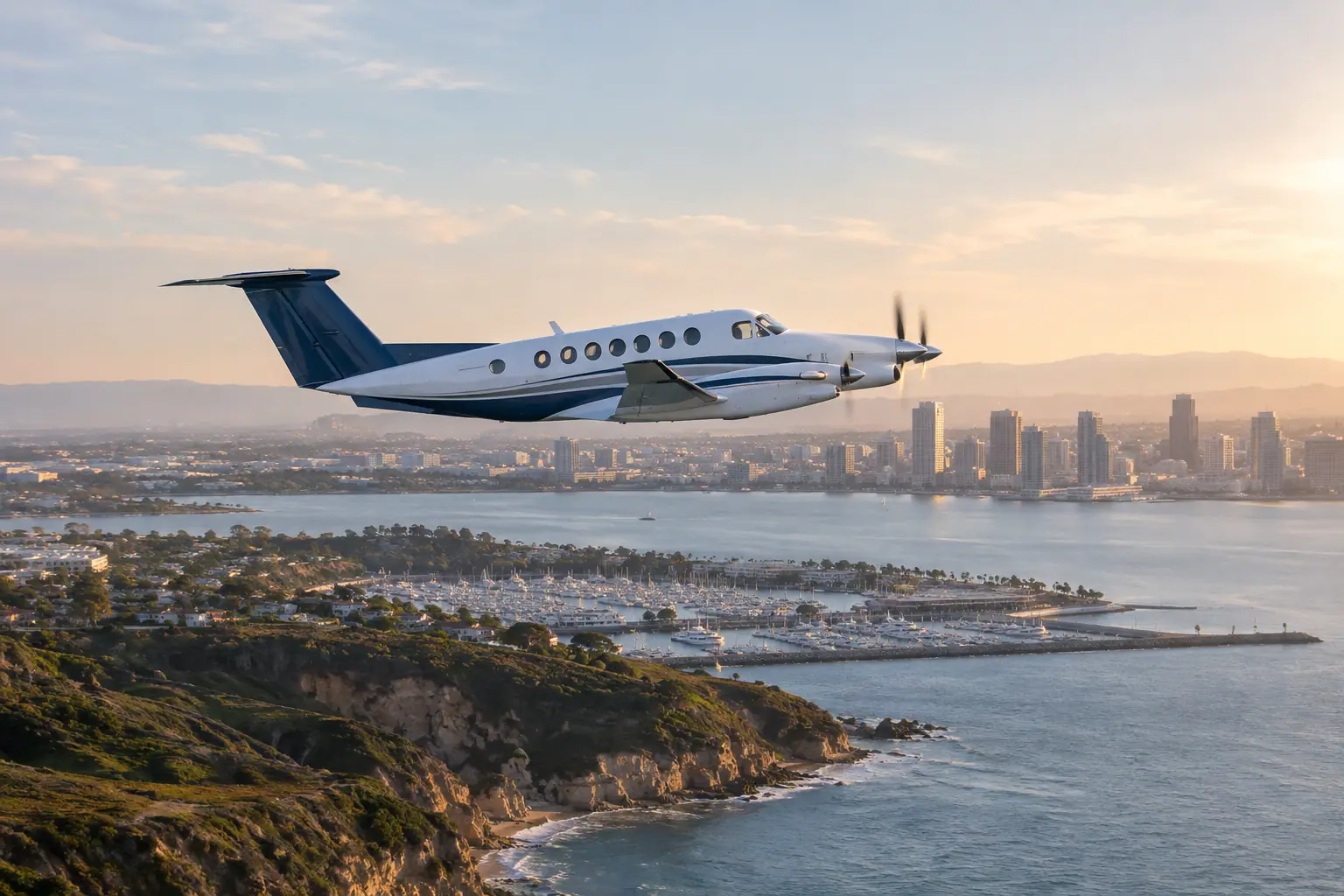
A turboprop is the honest recommendation on a 328-mile route, and it is the class most brokers put in front of a client first. A turboprop flight from Los Angeles to San Francisco clears the 285-nautical-mile leg in 1 hour 18 minutes for $3,000 to $4,500. The Beechcraft King Air 350i and Pilatus PC-12 NGX both cruise above 290 knots with range well past what this leg needs, so nothing is working hard. You land close to what two full-fare commercial seats cost, with the schedule set by you.
The alternatives deserve a real look. A light jet shaves the trip to about an hour and starts near $4,000, and a midsize jet cuts roughly a minute more for $5,000 to $8,000. Super-midsize and heavy jets come in around 56 minutes but start at $7,000 and $9,500. On a hop this short the extra speed buys little; pay for cabin, baggage, or short-runway access instead.
If your party runs to eight people with ski bags or camera cases, then the King Air 350i's 55 cubic feet of baggage is worth checking against the cabin load before you commit. Ask what the PC-12's 40 cubic feet does to a full house, too. If the baggage or the headcount does not fit a turboprop, then a light or midsize jet on this route is the cleaner answer at a higher price.
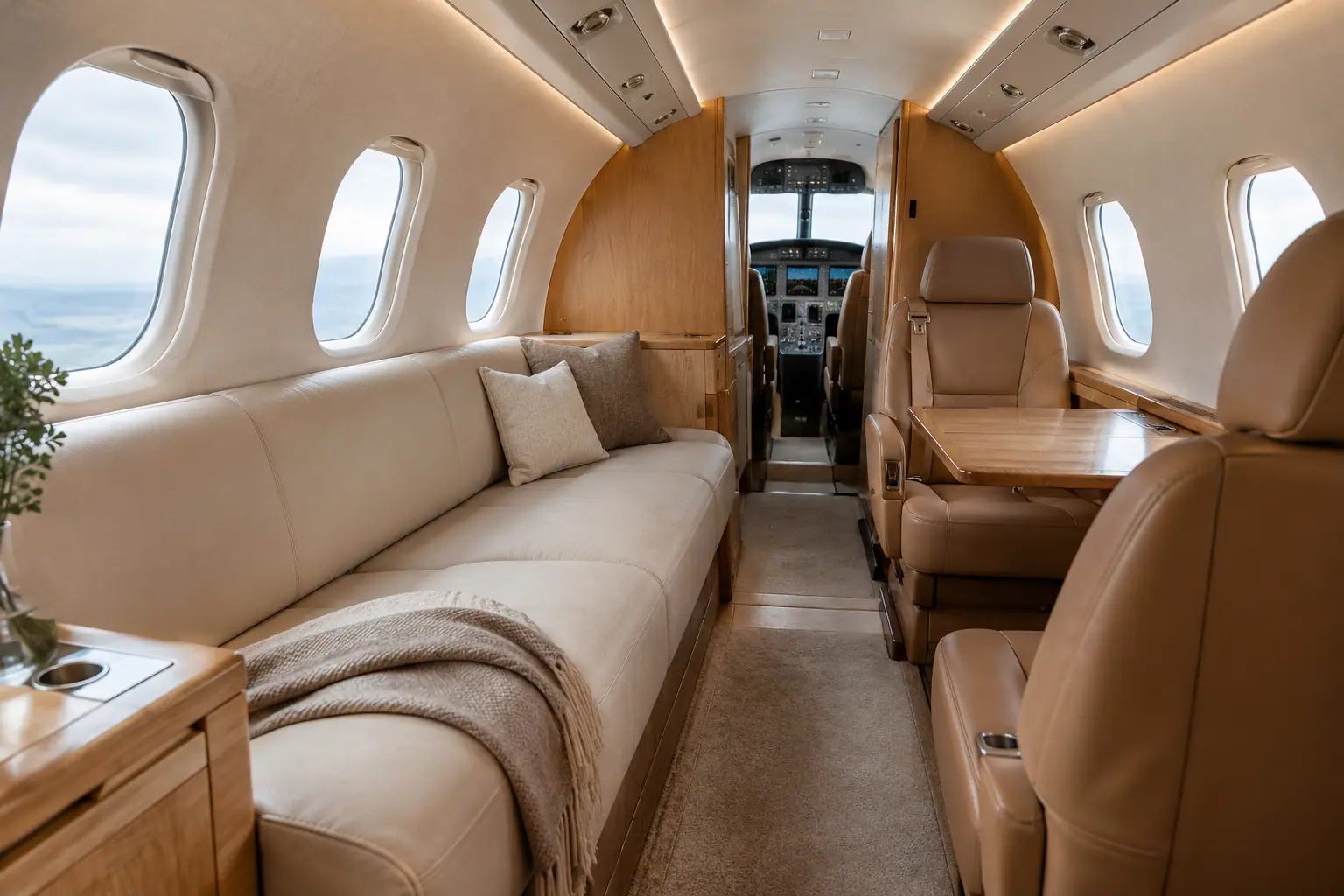
Pilatus PC-12 NGX
- 6 seats
- 290 kt cruise
- 1,800 nm range
Cabin 4 ft 10 in tall, 16 ft 11 in long. Baggage 40 cu ft.
Daher TBM 960
- 6 seats
- 330 kt cruise
- 1,730 nm range
Cabin 4 ft tall, 13 ft 3 in long. Baggage 32 cu ft.
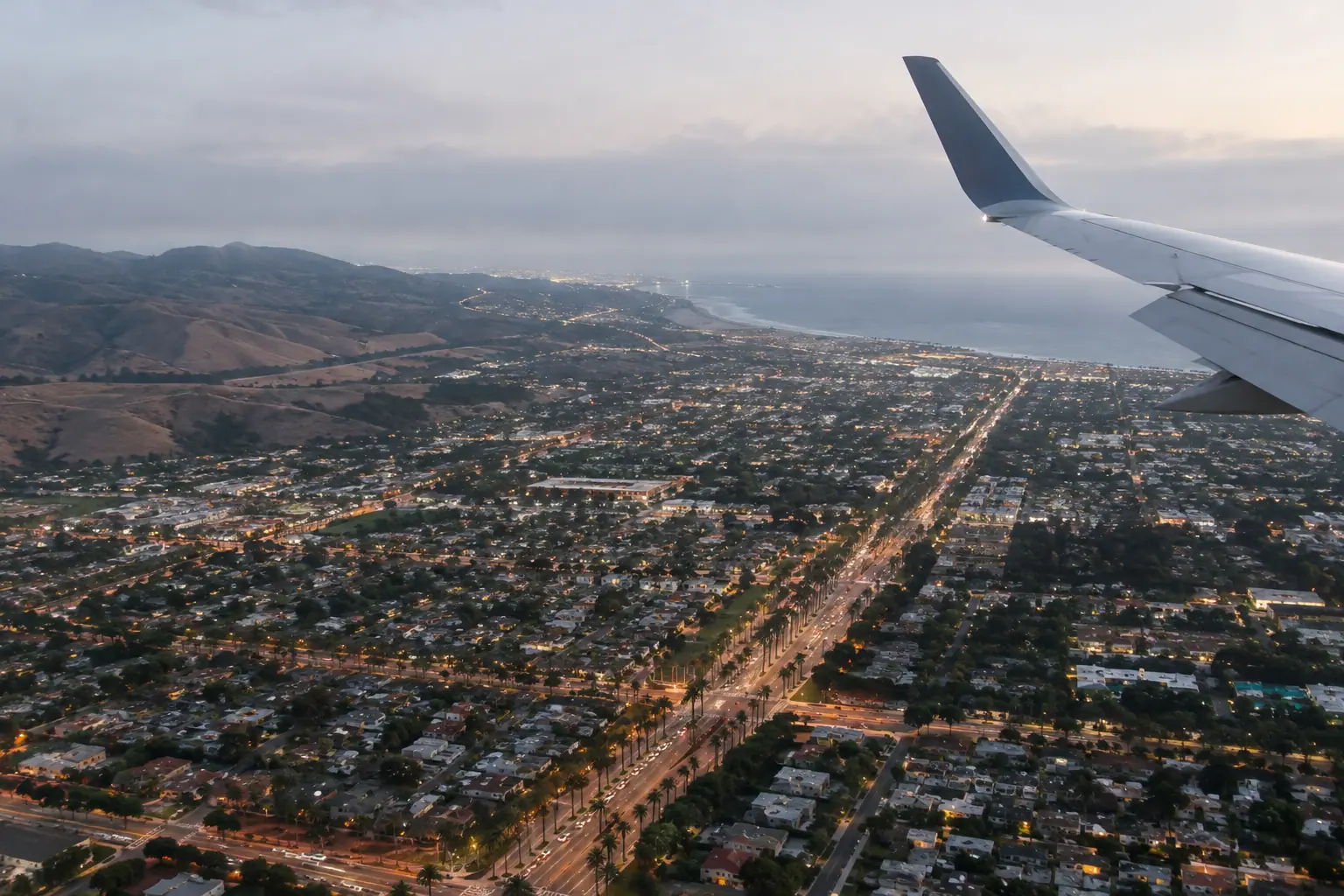
Leaving the Los Angeles basin
Van Nuys Airport is the usual starting point for private departures, with an 8,001-foot runway and a short drive from most of the San Fernando Valley. Charter flights from Los Angeles leave Van Nuys, Burbank, or LAX, and the 285-nautical-mile route clears the Central Valley fast. Burbank's 6,886-foot runway suits light jets and turboprops, while LAX handles anything in the fleet.
Your choice of departure field matters more than the aircraft on a route this short. If you are coming from the Westside, then LAX is the logical start; from Pasadena or the Valley, Van Nuys saves the freeway crawl. Book the aircraft before you book the car, because the departure field is often set by what is parked nearby. If two of you are traveling light, then a light jet positioned at Van Nuys will beat a bigger aircraft staged across town.
Crew duty time is the other quiet factor. A turboprop crew that starts the day in Los Angeles can fly you north and be back before the afternoon banks build, which keeps a same-day return priced as a live leg rather than a reposition.
Arriving on the bay
San Francisco International has an 11,870-foot runway and sits 411 miles by road from the strip, close to the Peninsula and the city itself. Private jets landing at San Francisco International are minutes from downtown, while Oakland and Hayward offer a shorter drive into the East Bay. Oakland's 10,520-foot runway handles jets, and Hayward Executive's 5,694 feet works for turboprops and light aircraft.
If your destination is Marin or the North Bay, then Buchanan Field in Concord at 5,001 feet is worth pricing, since it puts you on the right side of the bay without a bridge crossing. Handlers at these fields differ in fees and ramp space, so ask what the arrival charges look like before you pick. If you are headed into the city for a Giants game or a conference at Moscone, then San Francisco International usually wins on drive time.
Summer fog is the local wildcard. It rarely cancels an arrival, but it can slow the taxi and the ramp, so build a little slack into a tight afternoon meeting.
| Airport | Code | Runway |
|---|---|---|
| Van Nuys Airport | KVNY / VNY | 8,001 ft |
| Hollywood Burbank/Bob Hope Airport | KBUR / BUR | 6,886 ft |
| Los Angeles International Airport | KLAX / LAX | 12,894 ft |
| Buchanan Field | KCCR / CCR | 5,001 ft |
| San Francisco International Airport | KSFO / SFO | 11,870 ft |
| Oakland San Francisco Bay Airport | KOAK / OAK | 10,520 ft |
| Hayward Executive Airport | KHWD / HWD | 5,694 ft |
When to fly and when to book
Demand peaks on Thursday evenings and Friday mornings as Los Angeles empties toward the Bay, and again Sunday evening in the other direction. Booking a return leg on Sunday morning instead of Sunday evening often costs less on this 285-nautical-mile route. If you need a same-day round trip, then a turboprop with a flexible operator is the most reliable way to keep both legs on your clock.
Book a week out for a standard weekday, and two weeks out for a holiday weekend. Fleet capacity in Los Angeles is deep, so a last-minute request usually finds something, but the choice narrows to what is already parked nearby. If your dates are soft by a day, then ask about empty legs out of Van Nuys and Burbank, since those one-way rates can undercut a standard quote.
Brokers act as your agent under DOT Part 295; the operator holds the certificate and operational control. That matters when a schedule shifts, because the operator answers for crew and dispatch.
Private jet routes similar to Los Angeles to San Francisco
These 6 private jet routes span 350 to 1,267 nautical miles, with one-way turboprop estimates running from $3,500 to $19,000.
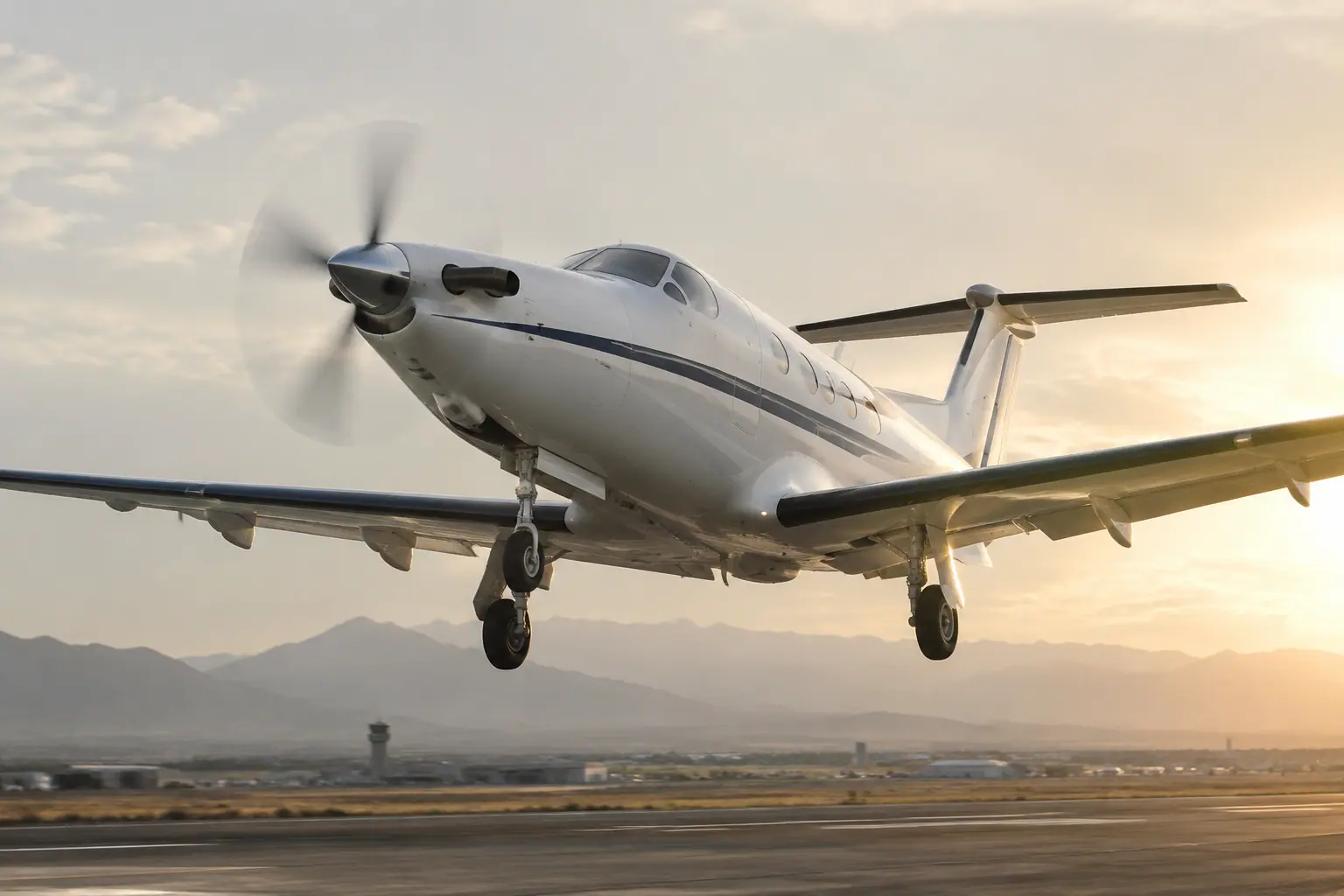
This route's questions
How much does a private jet charter Los Angeles to San Francisco cost?
Quotes typically run from $3,000 to $4,500 one way on a turboprop, $4,000 to $6,000 on a light jet, and $5,000 to $8,000 on a midsize jet. Super-midsize and heavy jets range from $7,000 to $14,500. These are estimates and not a firm quote, since the exact aircraft, crew, airport fees, and date decide the final number.
How long is the flight from Los Angeles to San Francisco?
Block time is 1 hour 18 minutes on a turboprop and about 56 minutes on the fastest jets, covering 328 miles. Count on closer to two hours on the turboprop once you add boarding and taxi. That still beats most commercial itineraries door to door, but the gap narrows if you are flying into San Francisco International and heading downtown.
Which airports can I use near San Francisco?
Private arrivals commonly use San Francisco International, Oakland, Hayward Executive, or Buchanan Field in Concord. The first has an 11,870-foot runway and suits every class; Concord's 5,001 feet works well for turboprops and light jets. The right field depends on whether you are staying in the city, the East Bay, or Marin.
Can I do a same-day round trip on this route?
Yes. At roughly an hour each way, a turboprop or light jet can fly you down and back inside a business day. Expect the second leg to be priced as a live flight, not an empty reposition. Tell the broker your hard return time first, because crew duty limits shape what can be scheduled.
How many passengers fit on the aircraft flying this route?
The recommended turboprops carry six to eight passengers. The Beechcraft King Air 350i seats eight with 55 cubic feet of baggage, and the Pilatus PC-12 NGX seats six with 40 cubic feet. If you need more seats, then a light or midsize jet gives you a larger cabin at a higher price.
Who operates the aircraft on a private jet charter Los Angeles to San Francisco?
Your flight is flown by an operator holding an FAA Part 135 certificate and operational control; brokers arrange as agents under DOT Part 295. That distinction matters when something goes wrong, since the operator answers for crew, maintenance, and dispatch. Ask for the operator's name before you book and confirm insurance coverage in writing.