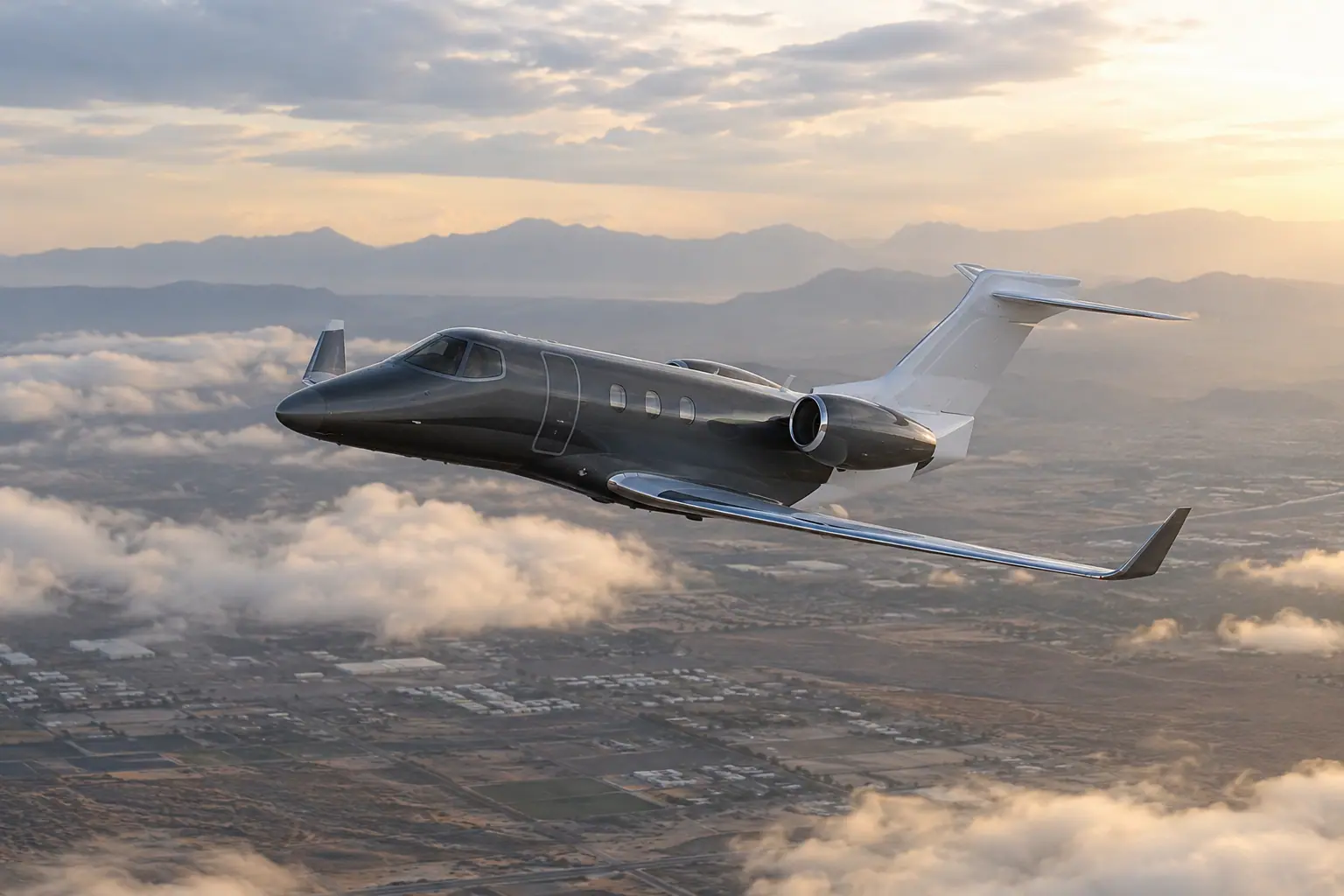
Private jet Phoenix to San Francisco
Flying private from Phoenix to San Francisco covers 549 nautical miles. A light jet makes the trip nonstop in 1 hour 38 minutes. This guide explains aircraft, airports, and pricing.
Phoenix to San Francisco private jet prices by aircraft
A private jet flying Phoenix to San Francisco travels 549 nautical miles on a light jet in 1h 38m, with an estimated one-way cost of $6,000–$9,500.The distance between Phoenix and San Francisco is short enough that every class flies nonstop, but the time savings shrink as you move up. Below are five aircraft categories with estimated nonstop flight times and one-way prices. A light jet offers the best balance of cost and cabin for this 549-nautical-mile leg, though a turboprop cuts the price further if you can trade speed.
| Aircraft class | Flight time | One-way estimate | Notes |
|---|---|---|---|
| Turboprop | 2h 13m | $5,000–$8,000 | Nonstop |
| Light jet | 1h 38m | $6,000–$9,500 | Best fit |
| Midsize jet | 1h 37m | $8,500–$12,500 | Nonstop |
| Super-midsize jet | 1h 32m | $11,000–$15,500 | Nonstop |
| Heavy jet | 1h 32m | $14,500–$22,000 | Nonstop |
Estimates per aircraft, not per seat, excluding federal excise tax and segment fees. Time covers taxi, climb and descent.
Why a light jet fits this trip
For this regional leg, a light jet like the HondaJet Elite II or Citation CJ4 Gen2 keeps the trip under 1 hour 40 minutes while carrying five to seven passengers. The light jet class fits because the distance is short, so you don't need the range or cabin height of a midsize or heavy jet. A turboprop can save you money but adds about 35 minutes in the air and flies lower, which matters if weather or turbulence is a factor. Midsize and super-midsize jets offer more stand-up room and baggage space, but on a 549-nautical-mile route the time gain is only a few minutes. If you're traveling with a group of six or more and lots of luggage, then a super-midsize may be worth the extra cost for comfort.
The return leg from San Francisco to Phoenix is equally short, so the same logic applies. Light jets are the most common choice for this route because they balance operating cost and passenger comfort. If your schedule is flexible, you might find a better deal on an empty leg, where an operator needs to reposition an aircraft. For business travelers heading to downtown San Francisco, a light jet landing at Hayward Executive or Buchanan Field can put you closer to your meeting than SFO. The trade-off is smaller cabins and fewer onboard amenities, but for a flight of about an hour and a half, that's rarely a concern.
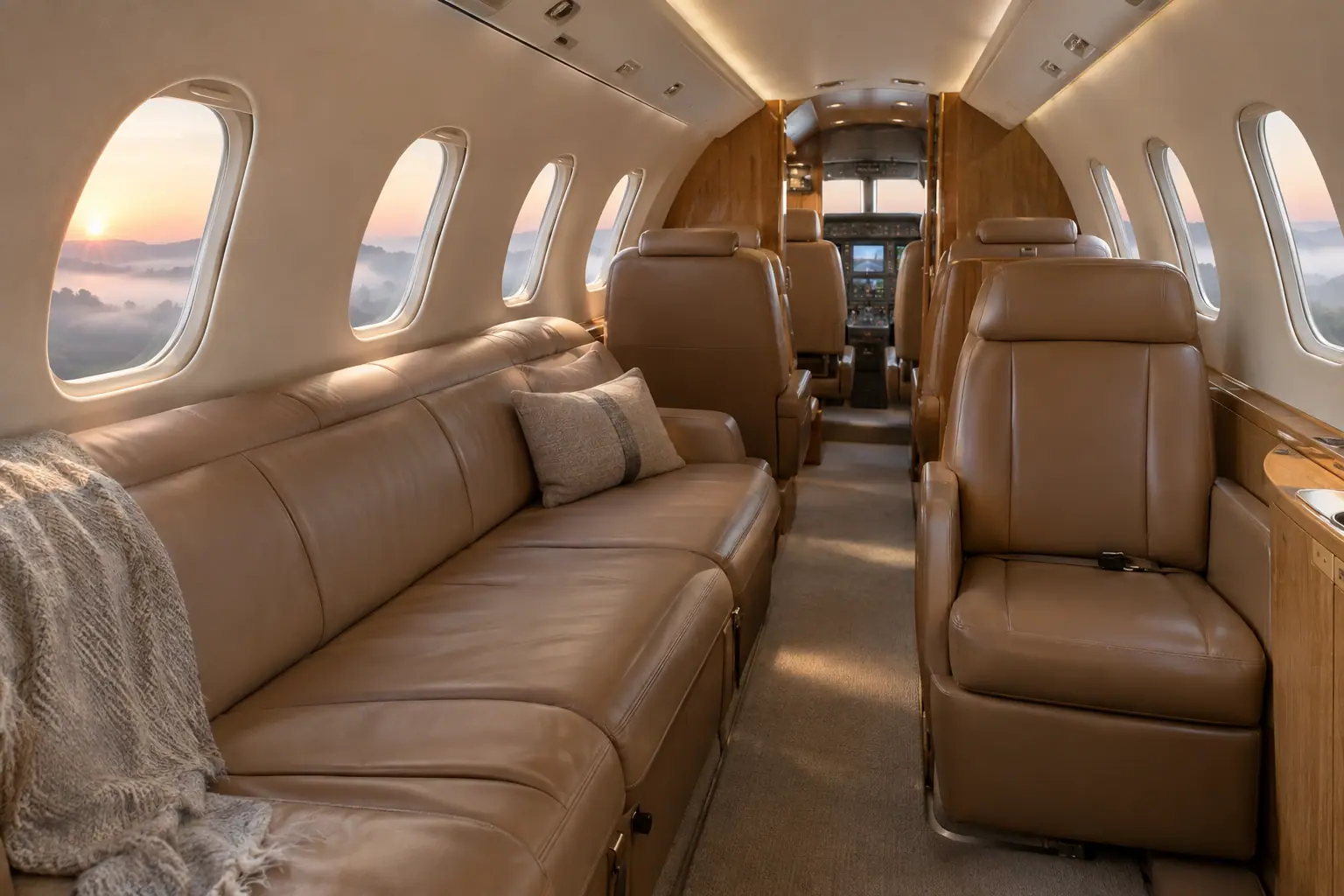
Pilatus PC-24
- 8 seats
- 440 kt cruise
- 2,000 nm range
Cabin 5 ft 1 in tall, 23 ft long. Baggage 90 cu ft.
HondaJet Elite II
- 5 seats
- 422 kt cruise
- 1,550 nm range
Cabin 4 ft 10 in tall, 17 ft 9 in long. Baggage 66 cu ft.
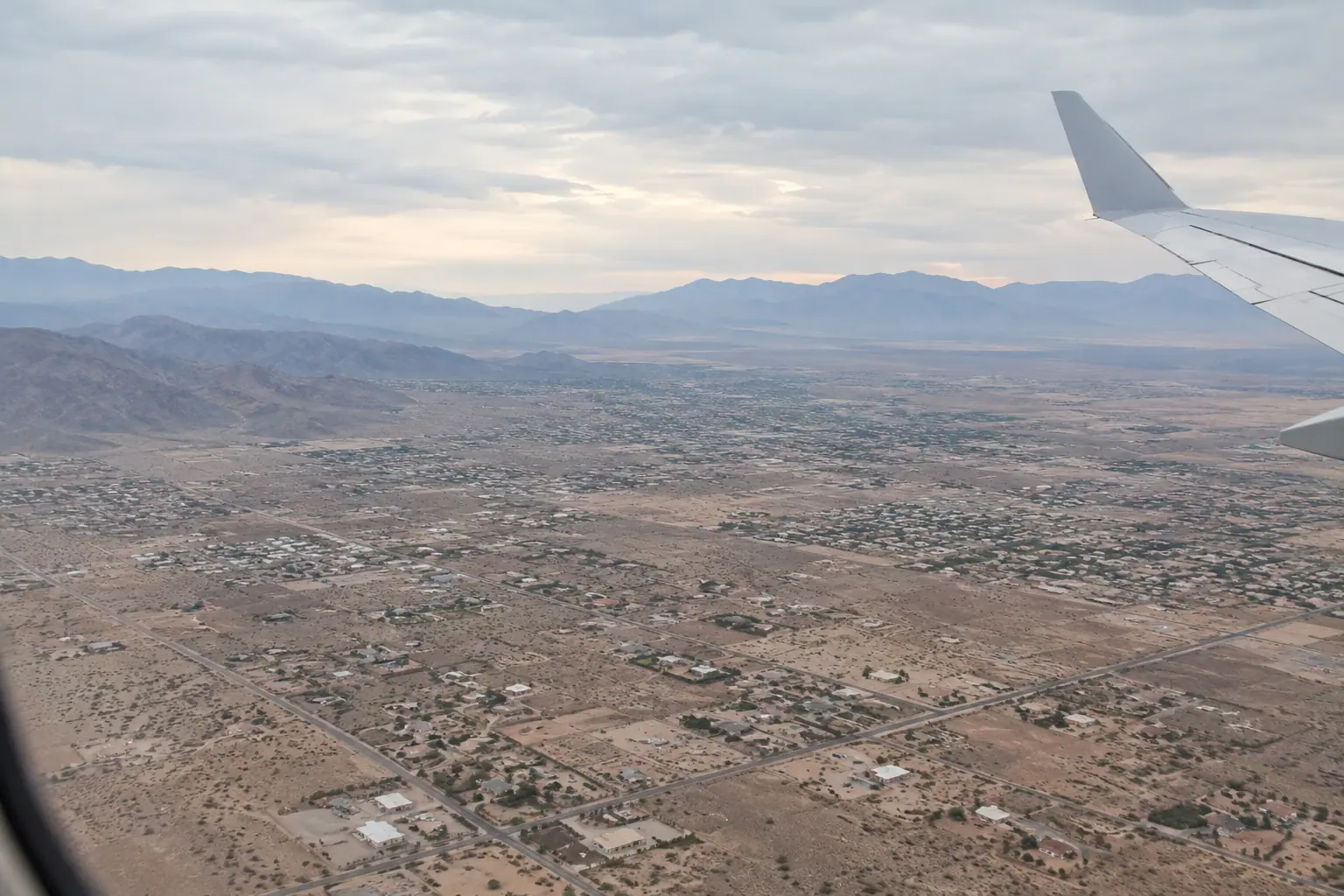
Departing Phoenix
Phoenix Deer Valley Airport (DVT) and Phoenix Sky Harbor International (PHX) both serve private charters, with DVT's 8,196-foot runway and PHX's 11,489-foot runway accommodating all classes. Most light jets depart from Deer Valley for its easy access and less congestion. Sky Harbor handles larger aircraft and offers more FBO options, but you'll deal with more traffic. In summer, density altitude can affect performance, so operators may adjust departure times or payload.
Your charter broker will confirm the departure airport with you based on your location and aircraft availability. If you're heading to the airport during rush hour, then allow extra time; Phoenix traffic can be heavy on I-10 and Loop 202. Many FBOs offer lounge areas and refreshments while you wait for your crew.
Arriving in San Francisco
San Francisco International (SFO) is the primary gateway, with an 11,870-foot runway that handles heavy jets, but you can also land at Oakland (OAK), Hayward Executive (HWD), or Buchanan Field (CCR) in Concord. Hayward Executive is often the fastest for downtown San Francisco because it avoids SFO's congestion and puts you on the East Bay side. Buchanan Field, with its 5,001-foot runway, is suitable for light jets and turboprops, and it's a short drive from Walnut Creek and Concord.
If your final destination is Silicon Valley or the Peninsula, then SFO or Hayward make the most sense. For Napa or Sonoma, Buchanan Field can save you drive time. Each airport has its own character and FBO services, so discuss your plans with your broker to pick the best arrival point.
| Airport | Code | Runway |
|---|---|---|
| Phoenix Deer Valley Airport | KDVT / DVT | 8,196 ft |
| Phoenix Sky Harbor International Airport | KPHX / PHX | 11,489 ft |
| Buchanan Field | KCCR / CCR | 5,001 ft |
| San Francisco International Airport | KSFO / SFO | 11,870 ft |
| Oakland San Francisco Bay Airport | KOAK / OAK | 10,520 ft |
| Hayward Executive Airport | KHWD / HWD | 5,694 ft |
When to book your charter
Demand on this route peaks during the workweek, especially Monday mornings and Thursday evenings, when business travelers head between the two tech hubs. If you need a same-day round trip, then book at least a week ahead to secure a light jet and avoid premium pricing. Weekends see more leisure traffic, particularly during major events like Salesforce's Dreamforce conference or the Outside Lands music festival, which can tighten aircraft availability.
Rates for private jet Phoenix to San Francisco start at $6,000 for a light jet one-way and can reach $22,000 for a heavy jet. Booking early gives you more options and can help you avoid higher costs. If your travel dates are flexible, then consider midweek or Saturday departures for better availability. Empty legs can offer savings, but they're unpredictable and require flexibility.
Private jet routes similar to Phoenix to San Francisco
These 6 private jet routes span 285 to 1,267 nautical miles, with one-way light jet estimates running from $4,000 to $24,000.
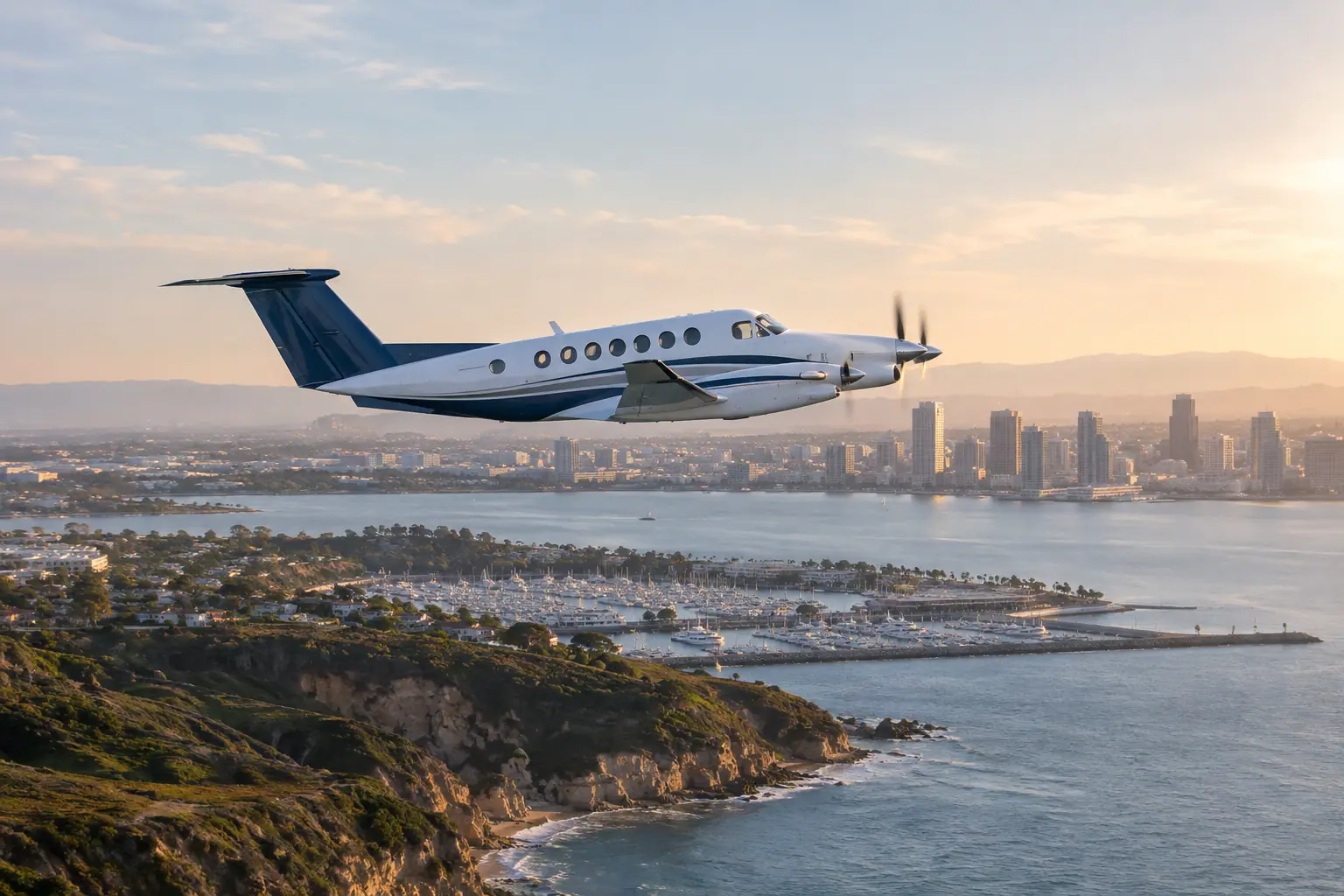
Seattle → San Francisco
- 1h 42m
- $6,500–$10,000
- 573 nm
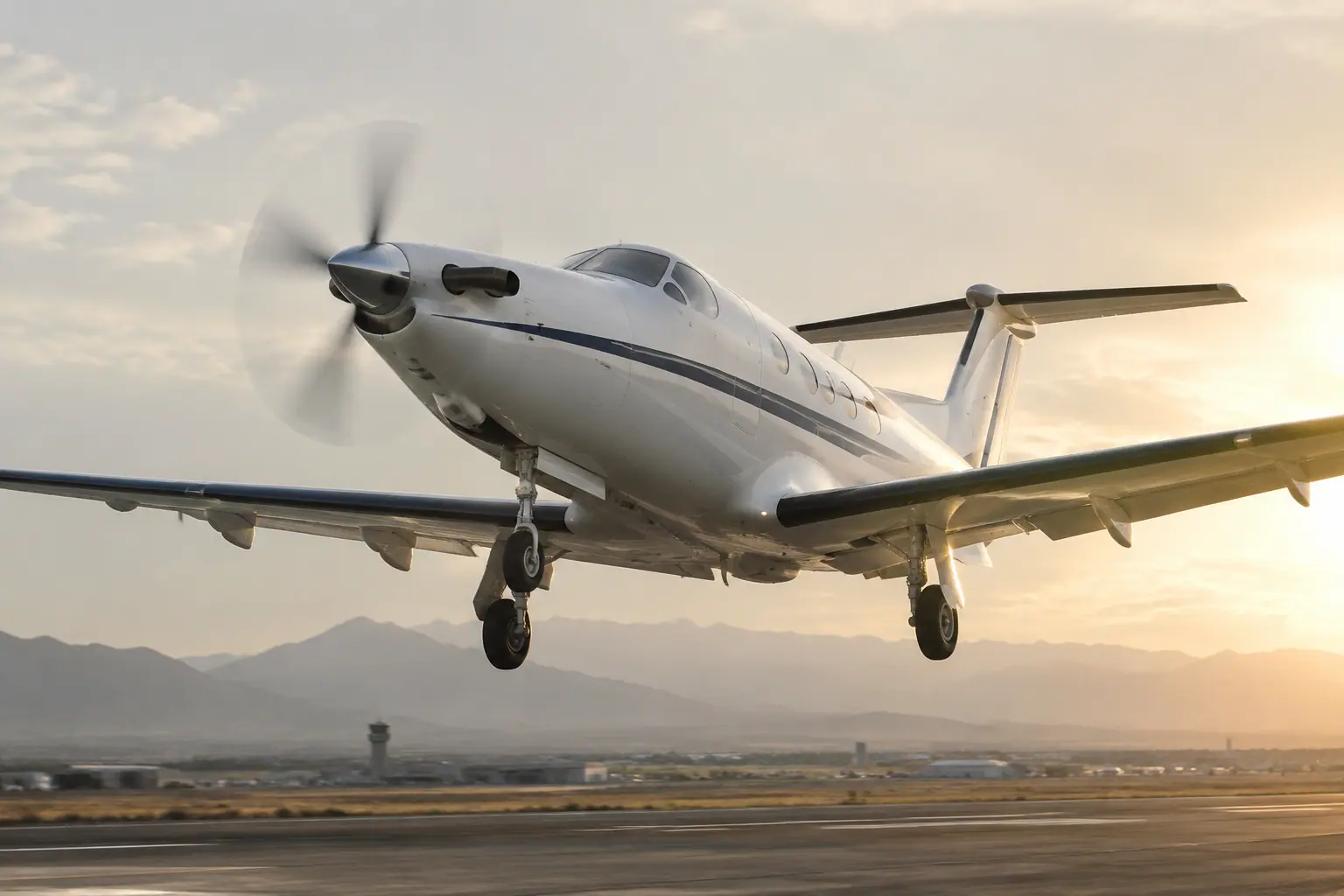
San Diego → San Francisco
- 1h 13m
- $4,500–$7,000
- 374 nm
Las Vegas → San Francisco
- 1h 09m
- $4,500–$6,500
- 350 nm
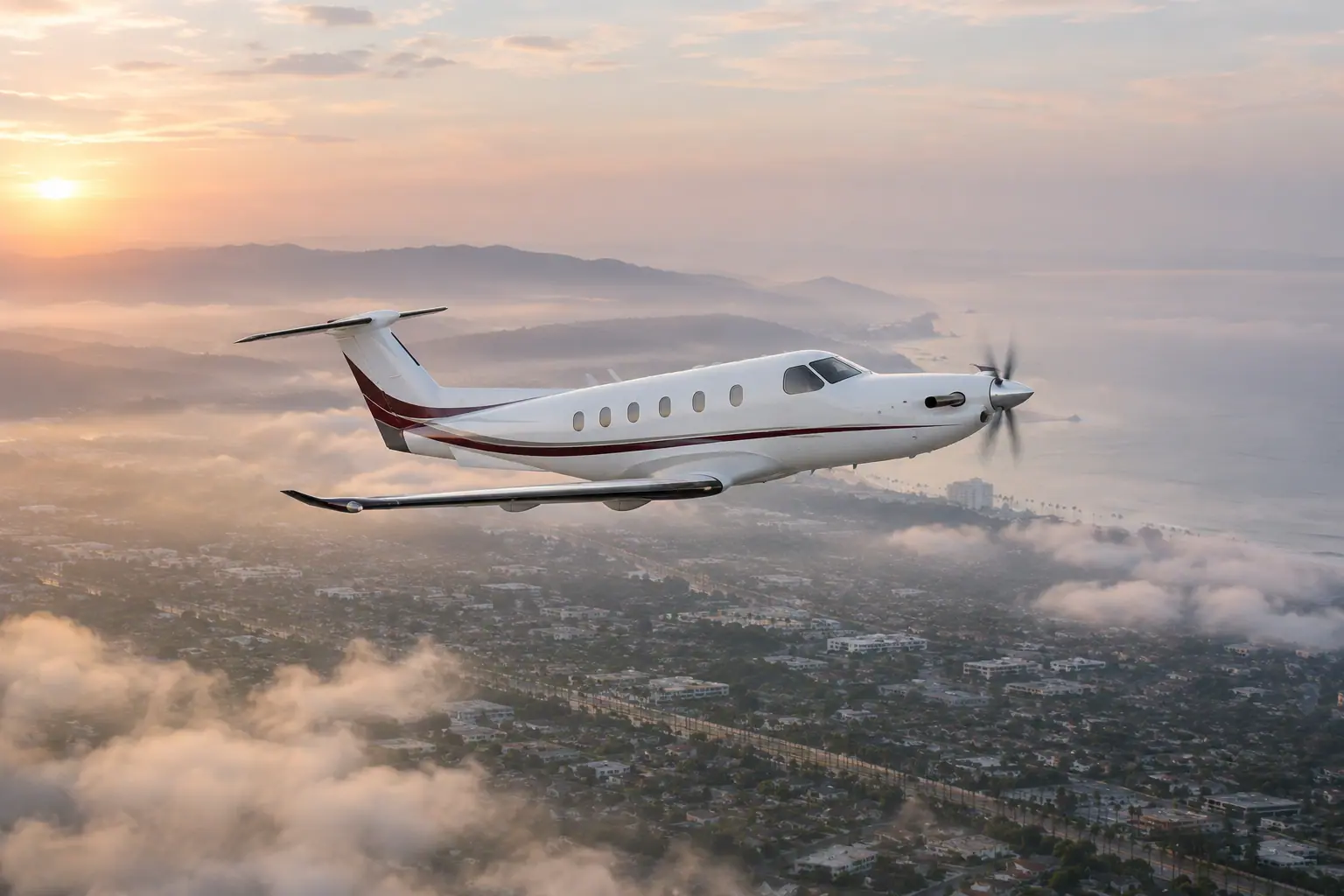
Denver → San Francisco
- 2h 17m
- $8,500–$13,000
- 810 nm
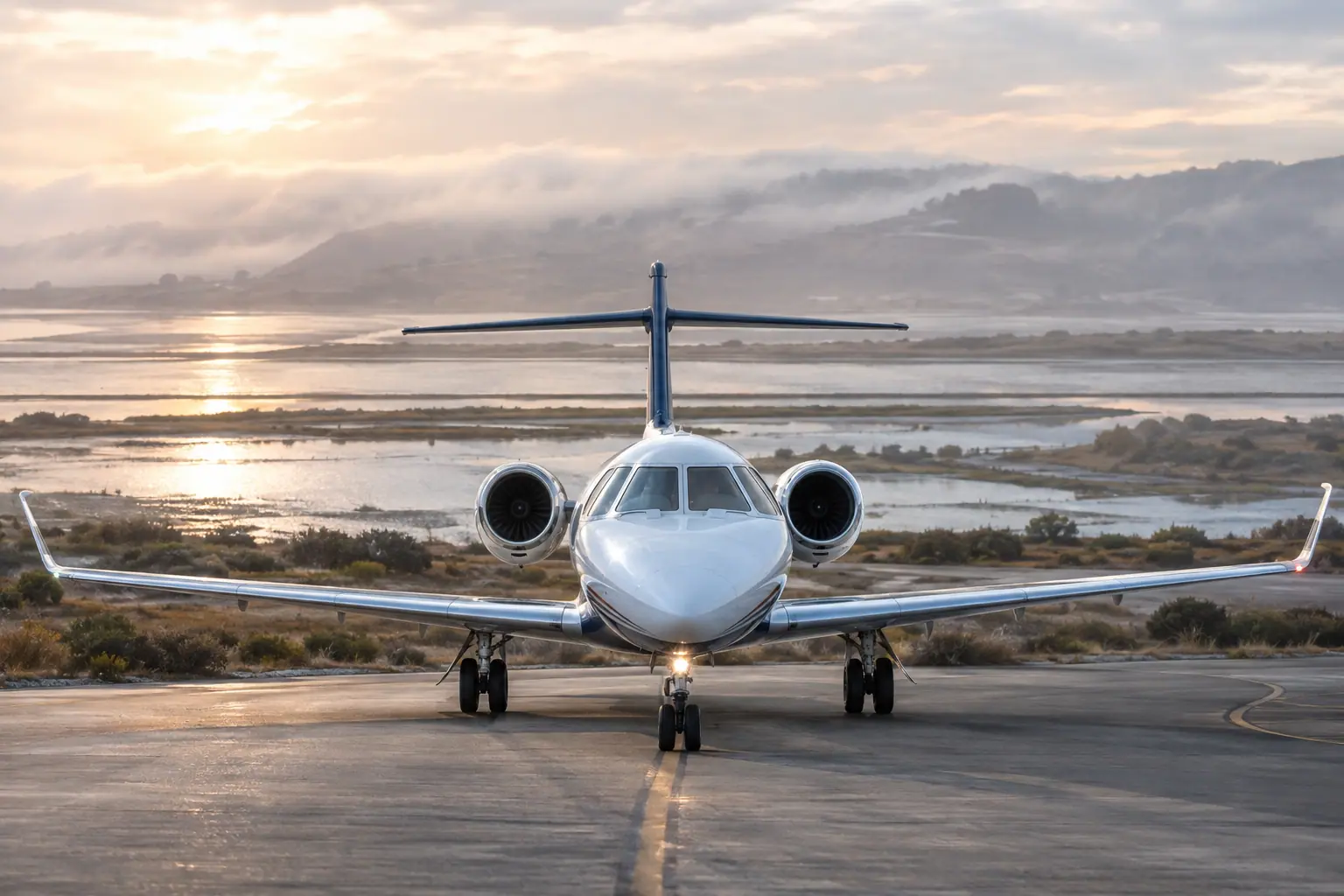
Los Angeles → San Francisco
- 1h 00m
- $4,000–$6,000
- 285 nm
Dallas → San Francisco
- 4h 09m
- $15,500–$24,000
- 1,267 nm
This route's questions
How much does a private jet Phoenix to San Francisco cost?
Light jet charter prices for this 549-nautical-mile route typically range from $6,000 to $9,500 one-way. Midsize jets run $8,500 to $12,500, super-midsize $11,000 to $15,500, and heavy jets $14,500 to $22,000. These are estimated quotes and vary with aircraft, date, and availability.
How long is the flight from Phoenix to San Francisco on a private jet?
A light jet takes about 1 hour 38 minutes nonstop. Turboprops take 2 hours 13 minutes, while midsize and larger jets fly the route in 1 hour 32 to 1 hour 37 minutes. The distance is 549 nautical miles, so all classes can fly nonstop.
Which airports can I use for a private jet Phoenix to San Francisco?
In the Bay Area, you can arrive at San Francisco International (SFO), Oakland (OAK), Hayward Executive (HWD), or Buchanan Field (CCR). Each has different runway lengths and locations, so your choice depends on your final destination and aircraft size.
Can I book a same-day round trip?
Yes, but it requires careful planning. A light jet can make the round trip in a day, but you'll need to book ahead to ensure aircraft availability. Expect to pay for both legs separately, and note that waiting time may incur additional fees.
What is an empty leg and can I use it for this route?
An empty leg is a one-way flight where the aircraft is repositioning without passengers. These can be significantly cheaper than a standard charter, but they're last-minute and availability is limited. If you're flexible, then ask your broker about empty legs Phoenix to San Francisco or San Francisco to Phoenix.
Is a turboprop or light jet better for this route?
A light jet is faster (1 hour 38 minutes vs. 2 hours 13 minutes) and flies higher, which often means a smoother ride. However, a turboprop can be cheaper, with prices starting at $5,000. If budget is the priority and you have a little extra time, then a turboprop may work.