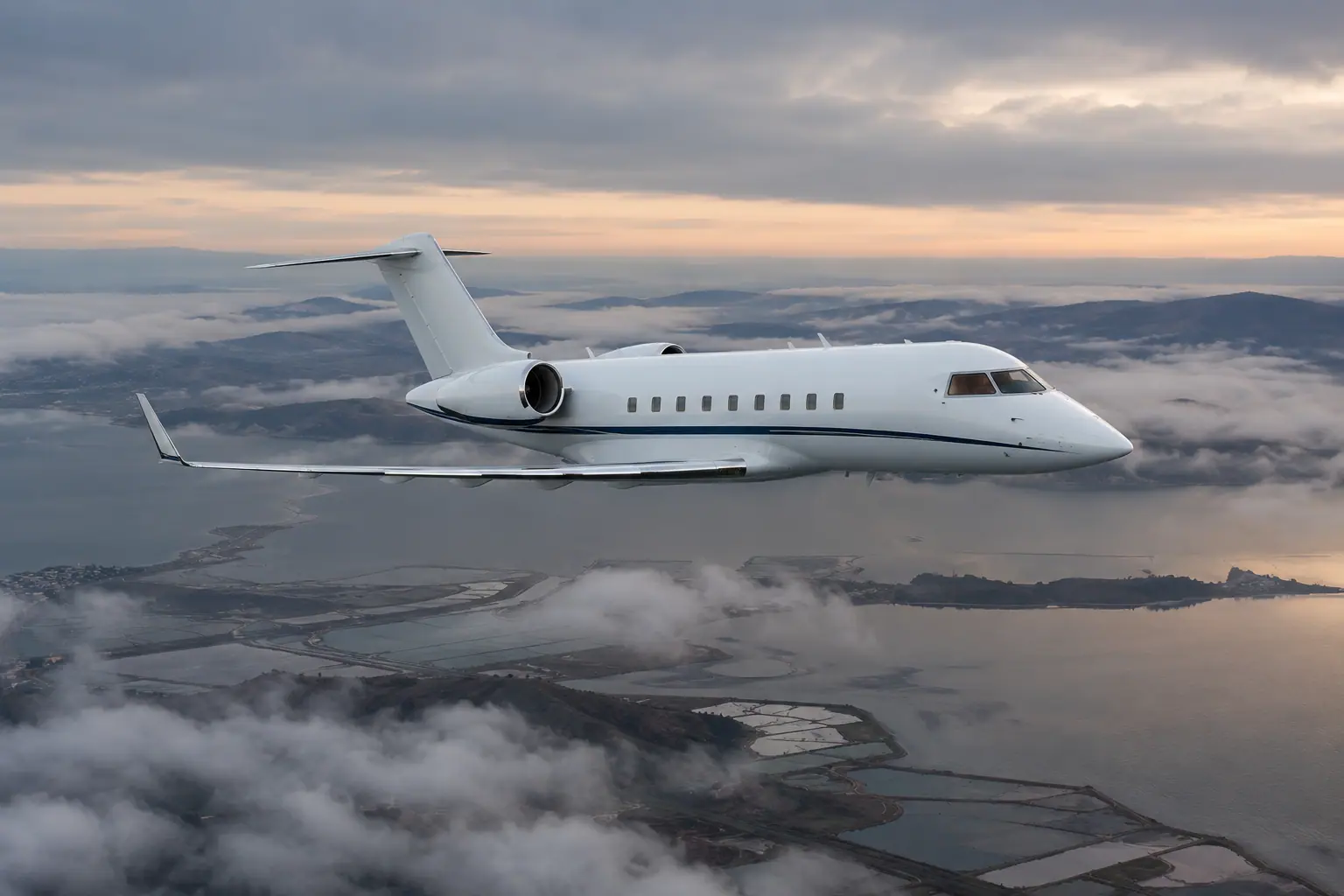
Heavy jet charter cost San Francisco
Heavy jet charter cost San Francisco depends on hours flown and aircraft size. Expect roughly $9,500 to $14,500 per flight hour for the cabin class. We arrange the flights through certificated operators and quote each trip in writing.
Heavy jet charter cost San Francisco breaks down into a few moving parts: the hourly rate for the aircraft, the flight time on your route, positioning if the jet has to come to you, and any crew or airport fees tied to the itinerary. The hourly band is wide because a heavy jet can mean a super-midsize or a large-cabin trijet, and the hourly rate climbs with cabin size and range on every heavy jet quote in San Francisco. A late-model Challenger and an older large-cabin aircraft do not price the same, even on a short hop to Los Angeles.
When you compare quotes, ask what each number includes. Some fold landing fees, crew overnight and fuel surcharges into the total; others list the hourly rate alone and add the rest later. A written quote that separates aircraft rate from trip fees lets you compare heavy jets fairly in San Francisco. We act as your agent, so we gather pricing from operators who hold operational control and put the options side by side. Prices are estimates until an operator confirms availability for your dates.
Positioning is the line item most often skipped in online estimates. If the nearest heavy jet is in Las Vegas or Los Angeles, the empty legs to reach SFO or Oakland get billed to you, and that can add hours to a short trip. Ask whether the quote assumes the aircraft is already based in the Bay Area, then compare that number against one that includes repositioning. The two figures are not the same trip.
Crew duty rules also shape the total. A long eastbound leg out of SFO can run past a single crew's duty limit, which means a second crew and a higher price. On the New York and Boston runs, ask whether the quote includes a augmented crew. If it does not, the operator will add it before the flight is confirmed.
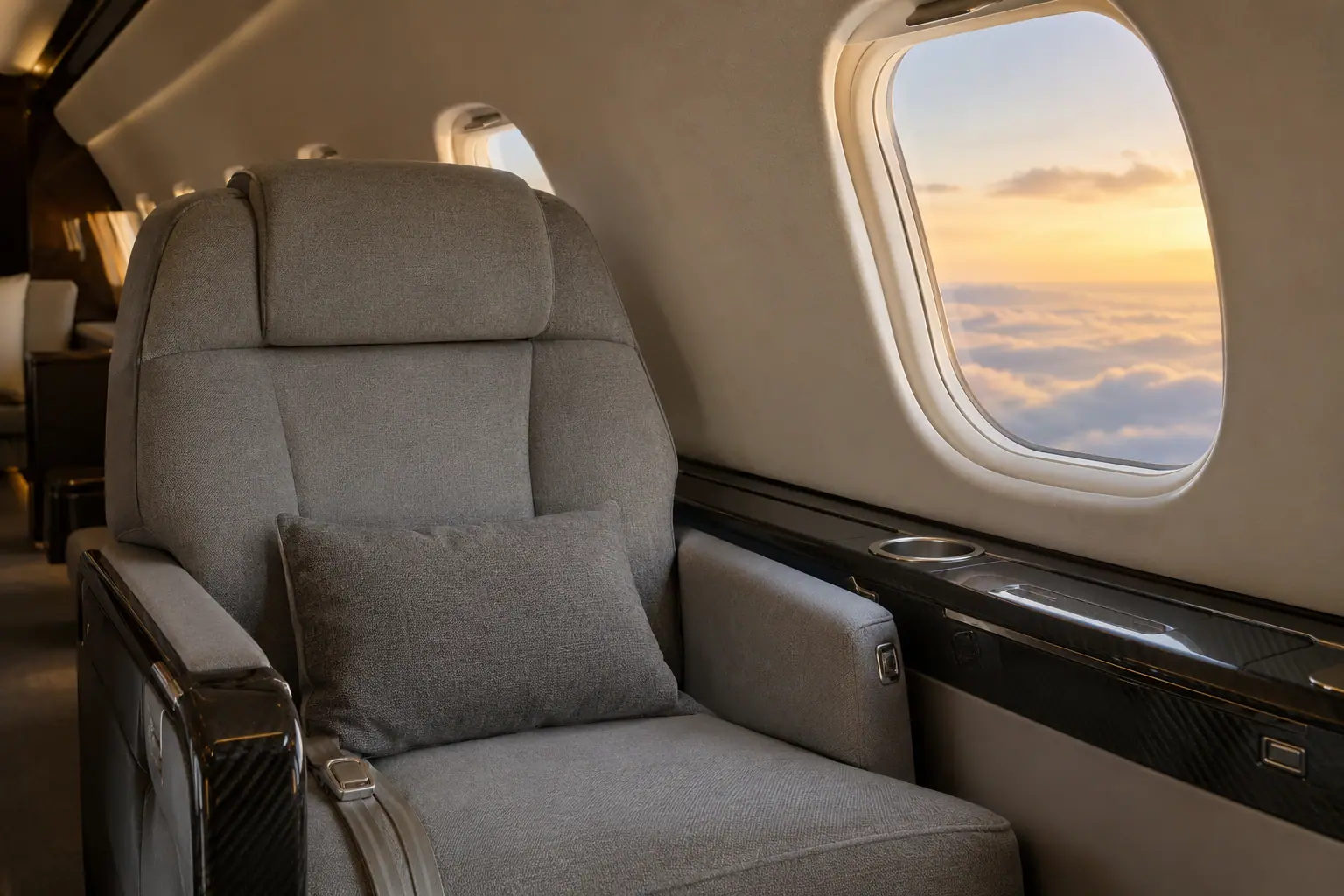
Dassault Falcon 900LX
- 12 seats
- 459 kt cruise
- 4,750 nm range
- 127 cu ft baggage
The Dassault Falcon 900LX carries up to 12 passengers at about 459 knots with a range near 4,750 nautical miles, the longer of the two. The cabin is 6 feet 2 inches tall and 33 feet 2 inches long, with 127 cubic feet for luggage. Three engines and the extra range make it a strong pick when your itinerary stretches past the continental US or you want more margin on a long leg out of San Francisco.
Gulfstream G450
- 14 seats
- 476 kt cruise
- 4,350 nm range
- 169 cu ft baggage
When a heavy jet is the right call
- Transcon and Hawaii legs where the heavy jet's 4,000 nautical mile range lets New York and Boston go nonstop with room for weather and routing.
- Groups of 10 to 14 passengers, which changes the per-seat math on a longer trip compared with a light jet that tops out at six or seven.
- Stand-up cabin and luggage: the two aircraft we quote most often give you 115 to 127 cubic feet of baggage, enough for a ski week out of SFO or a film crew's gear.
- Overnight and multi-city itineraries where a larger cabin with sleeping configuration and a longer range cuts the number of stops across the Bay Area and beyond.
What the numbers do not cover
The figures here are estimates for the aircraft and flight time, not a final invoice. Positioning, crew duty limits, airport slot fees, deicing, catering and international handling can move the total. On international legs, US Customs and Border Protection clearance needs to be built into the schedule, and operators file passenger information ahead of arrival. If your trip crosses a border, factor in time at the FBO for CBP processing.
TSA rules also apply at the departure end for some itineraries, and operators will tell you what identification to bring. None of that changes the hourly rate, but it changes the schedule and the fees.
Heavy jet prices on popular routes
Route length drives most of the cost. A short hop down the coast prices very differently from a coast-to-coast leg, and the figures below are estimates for a heavy jet. They assume the aircraft is already positioned and do not include repositioning or crew overnights.
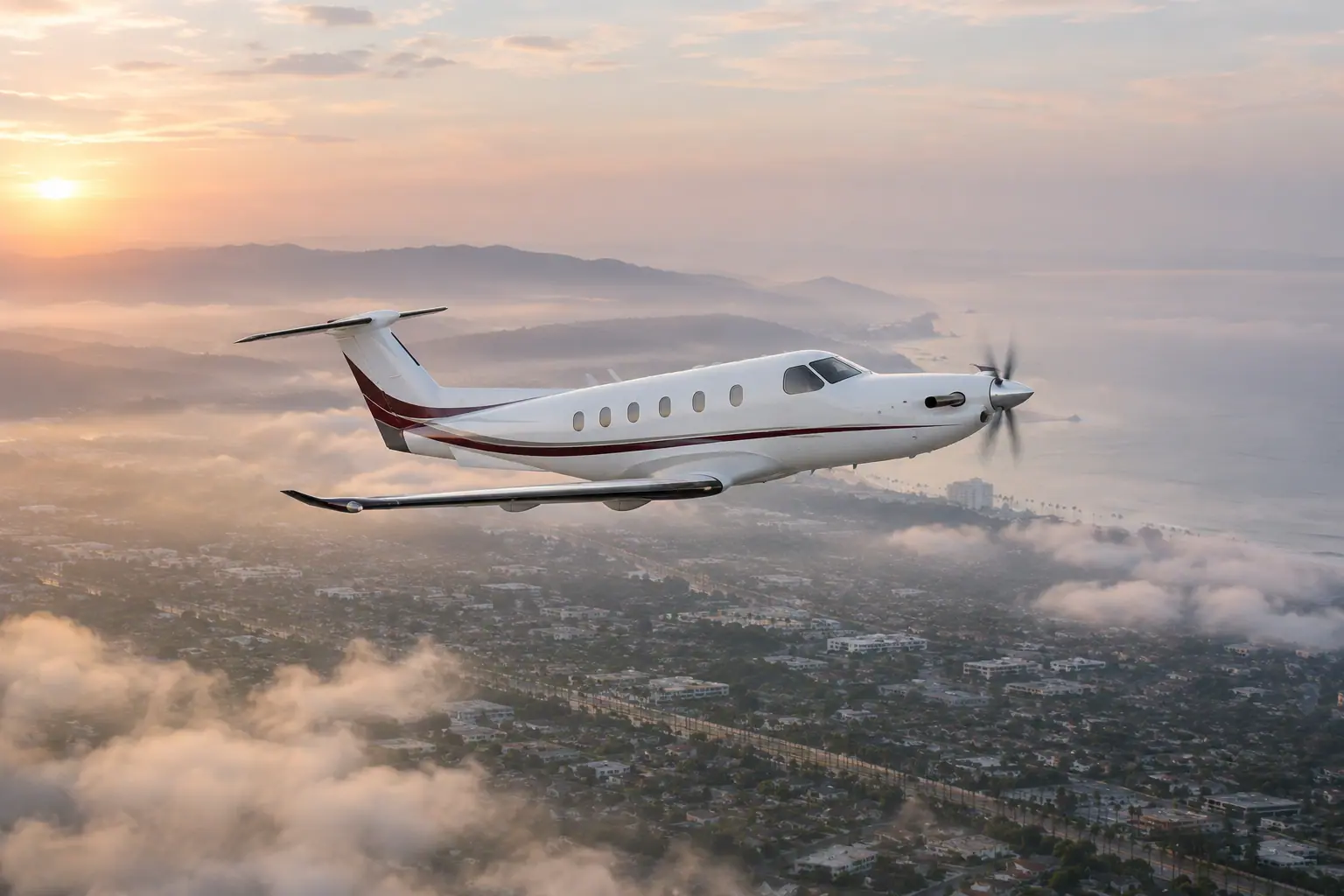
Los Angeles → San Francisco
- 0h 56m
- $9,500–$14,500
- 285 nm
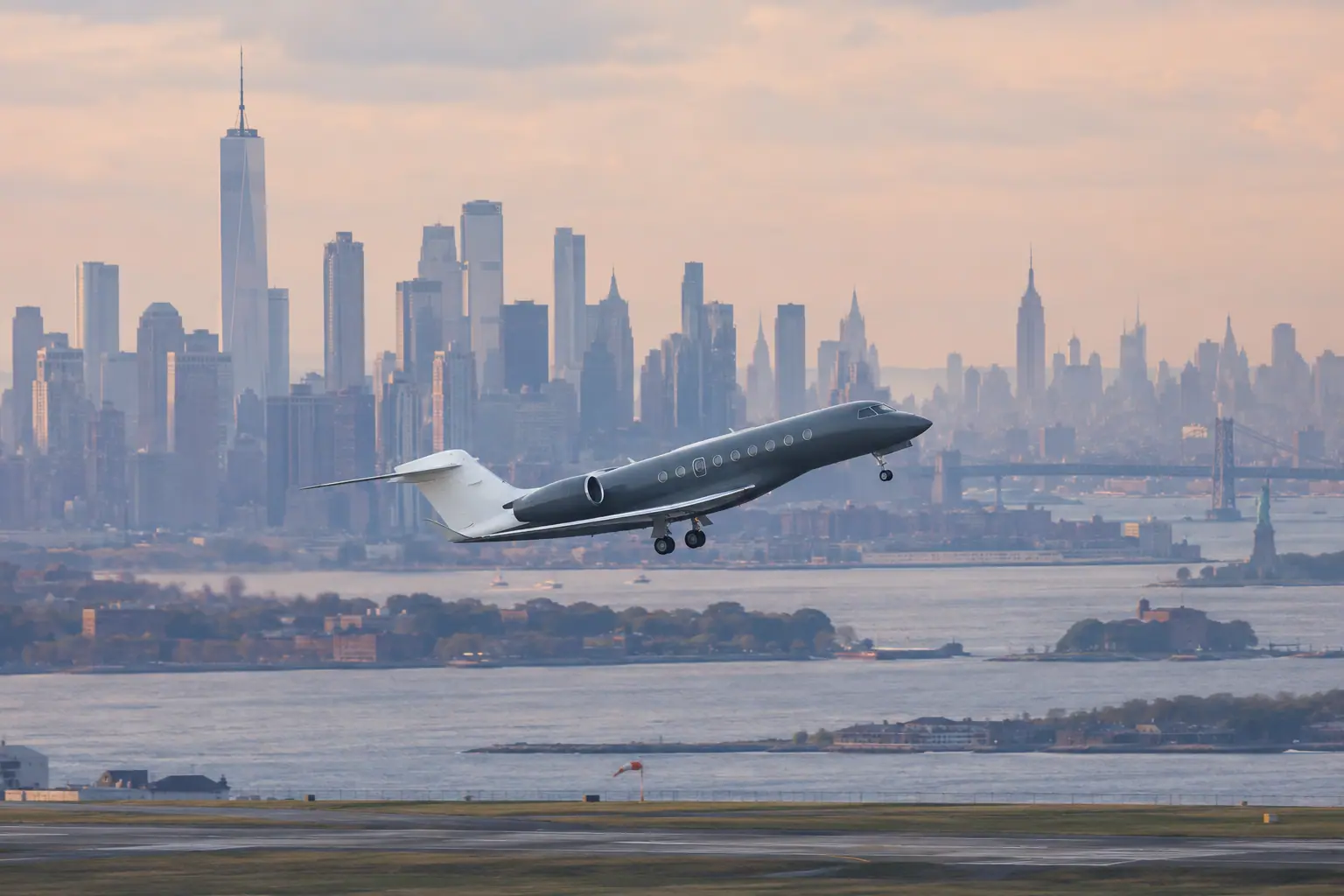
New York → San Francisco
- 5h 14m
- $49,500–$76,000
- 2,205 nm
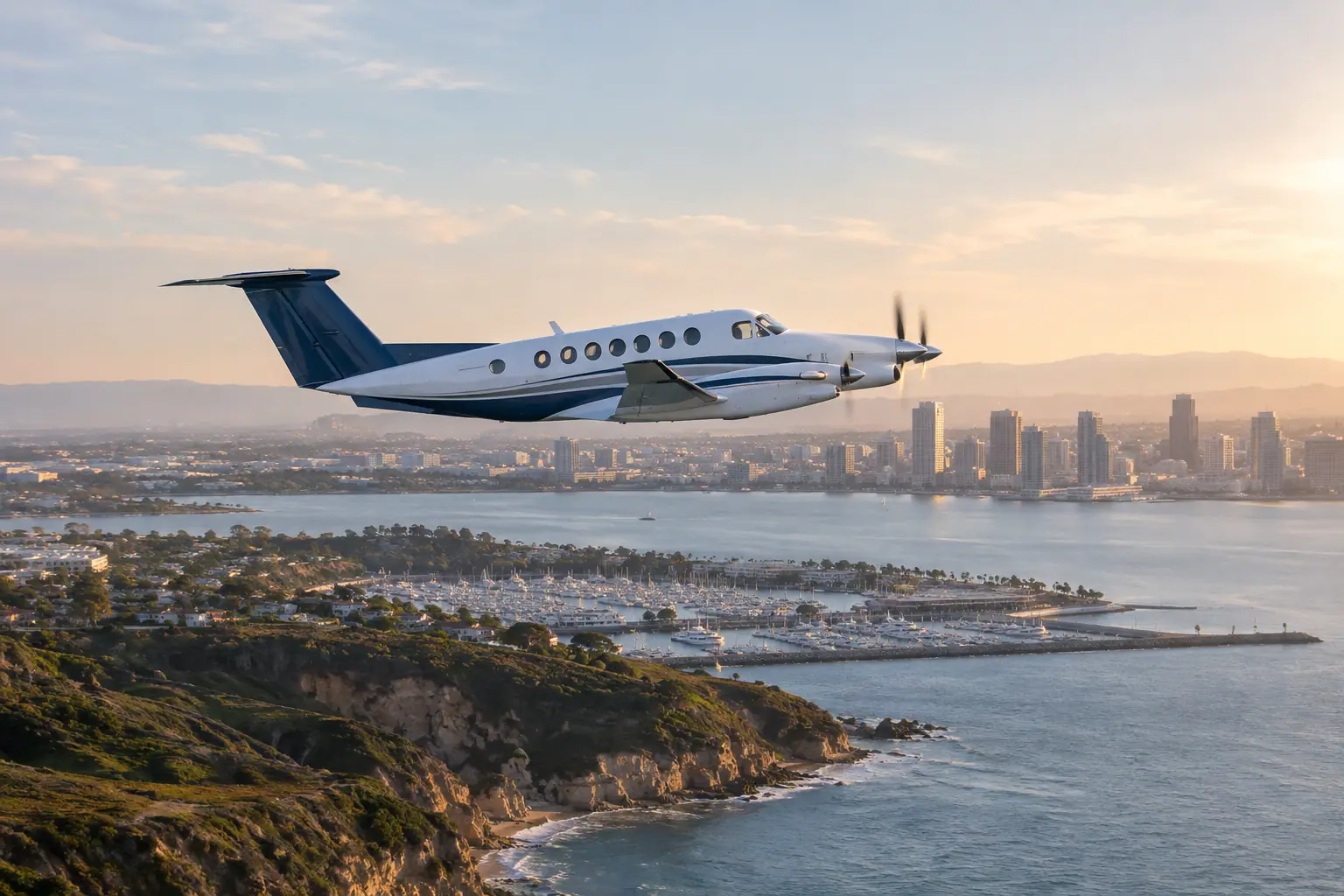
San Diego → San Francisco
- 1h 08m
- $11,000–$16,500
- 374 nm
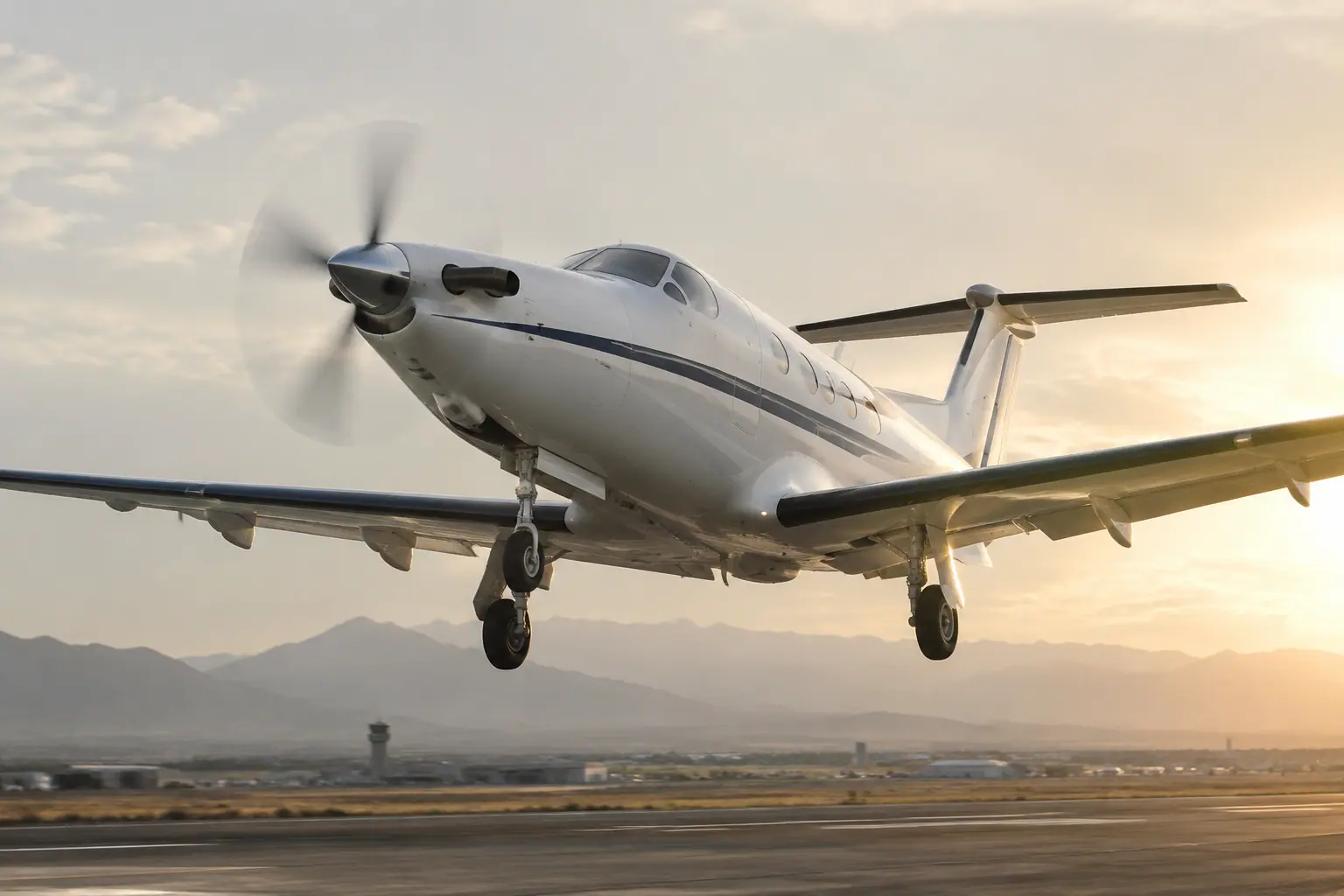
Las Vegas → San Francisco
- 1h 05m
- $10,500–$15,500
- 350 nm
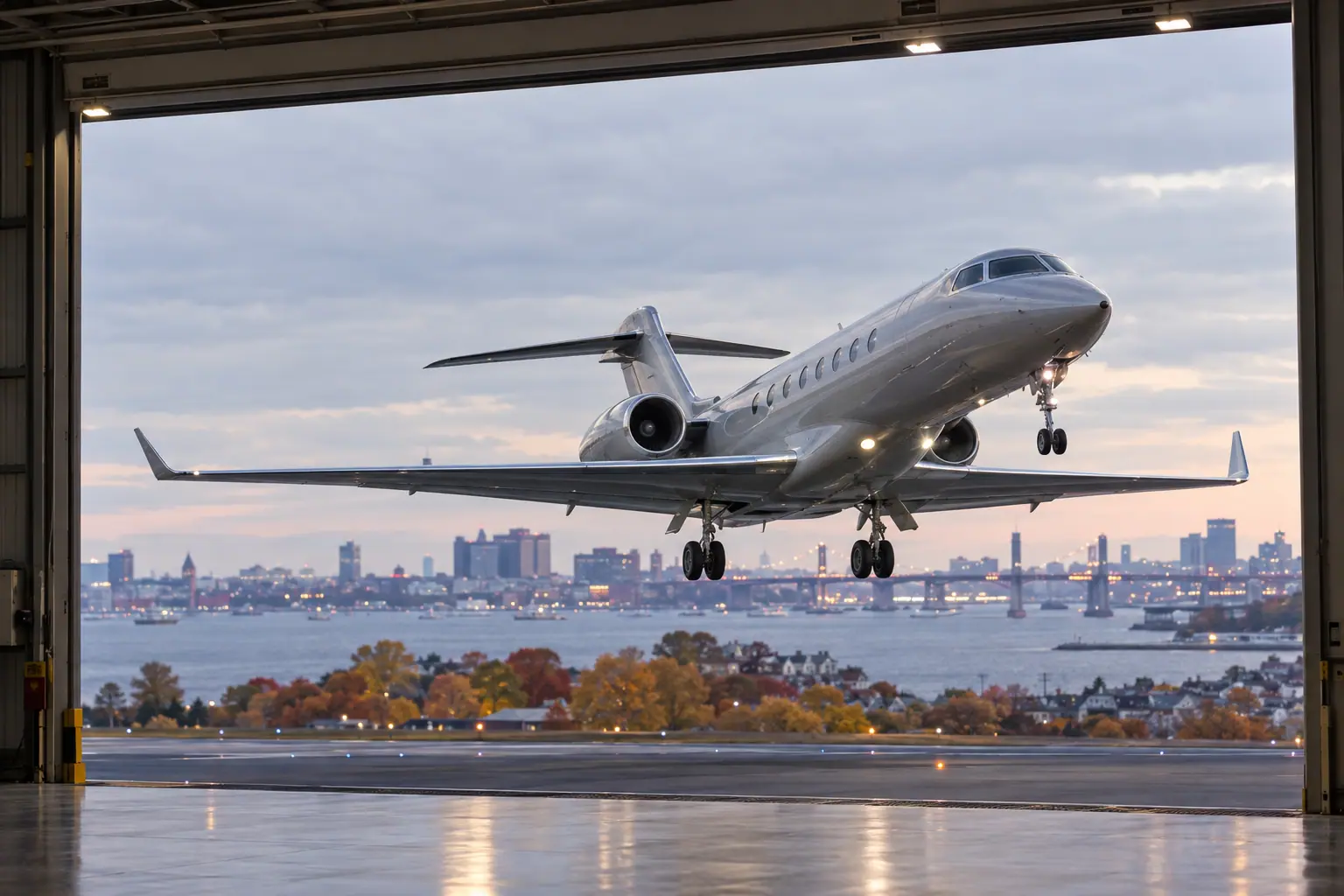
Boston → San Francisco
- 5h 27m
- $52,000–$79,000
- 2,308 nm
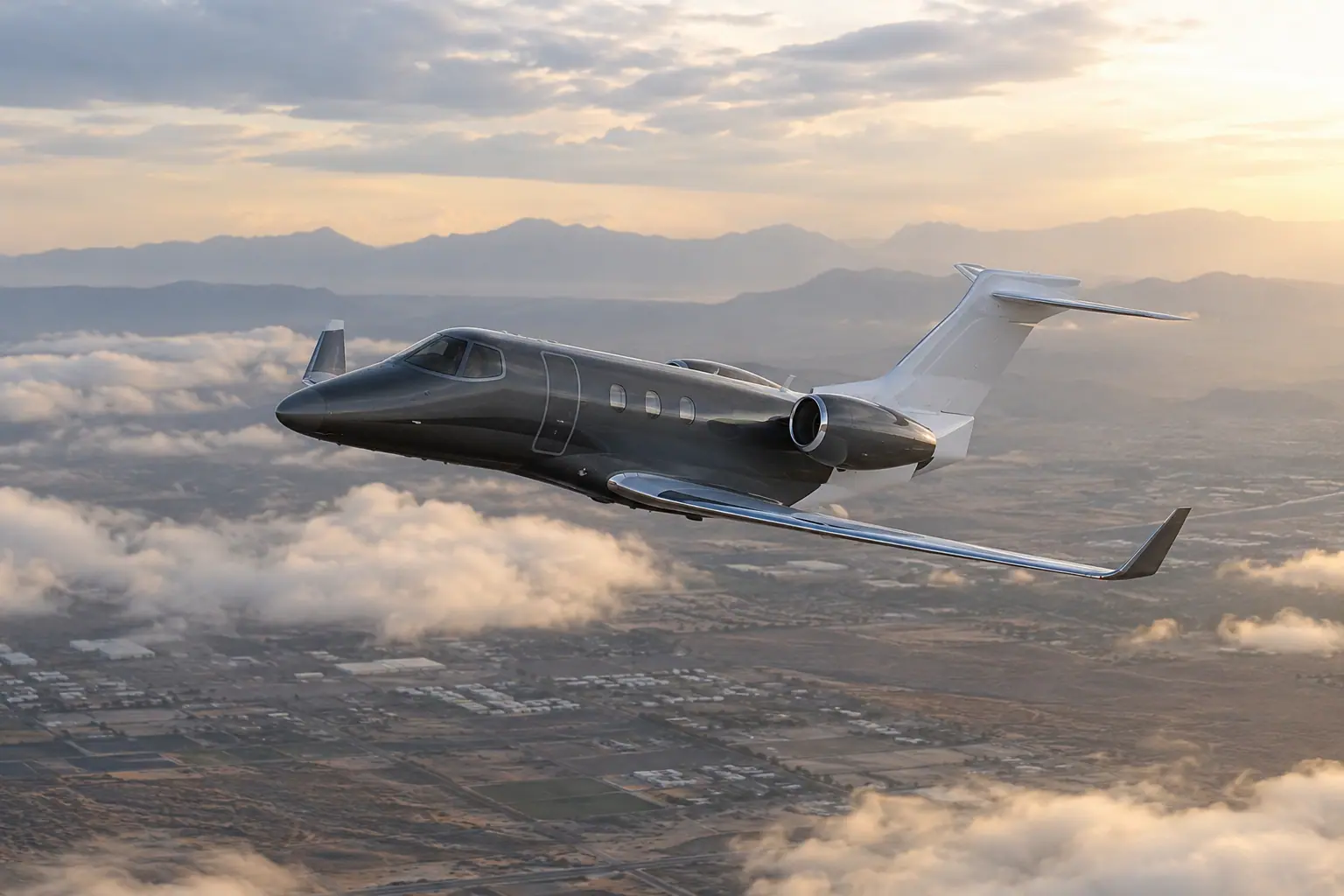
Phoenix → San Francisco
- 1h 32m
- $14,500–$22,000
- 549 nm
Heavy jet charter times and prices by route
A heavy jet covers these 24 routes in 0h 56m to 6h 24m, with one-way estimates from $9,500 to $93,000.
Questions
What does heavy jet charter cost San Francisco run per hour?
Heavy jet charter cost San Francisco sits between $9,500 and $14,500 per flight hour, depending on the aircraft, cabin size and range. That band covers the larger-cabin and super-midsize aircraft we quote most. Short flights are priced in part on minimum hours, so an hour-long hop can bill more than the flight time alone suggests.
What is a heavy jet flight from New York to San Francisco estimated at?
That leg covers 2,205 nautical miles in about 5 hours 14 minutes, with an estimated price of $49,500 to $76,000. It is one of the longest domestic routes out of SFO and the one where the heavy jet's range and cabin pay off most, since a light jet would need a fuel stop.
How much does Los Angeles to San Francisco cost on a heavy jet?
The LA to San Francisco run is 285 nautical miles and flies nonstop in about 56 minutes, estimated at $9,500 to $14,500. On a route this short, minimum flight time and positioning often shape the quote more than hourly rate does, so ask what assumptions sit behind the number.
Can a heavy jet fly nonstop from San Francisco to Chicago or Miami?
Yes. Chicago is 1,586 nautical miles and flies in roughly 3 hours 51 minutes, estimated at $36,500 to $55,500. Miami covers 2,227 nautical miles in about 5 hours 17 minutes, estimated at $50,000 to $76,500. Both are well inside the heavy jet's typical range of 4,000 nautical miles.
Who is responsible for the flight when I book through a broker?
The operator holds operational control and answers for the flight, crew and maintenance, and its pilots fly under FAA Part 135 rules. We work as your agent under DOT Part 295, gathering quotes and matching your itinerary to operators. Ask to see the operator's certificate before you commit to a trip.
How early should I book a heavy jet out of the Bay Area?
A week or more gives the best choice of aircraft, especially for transcontinental legs or travel around major events in the city. Shorter notice can still work, but availability tightens and pricing moves up. For international departures, allow time for CBP processing and document checks before departure.