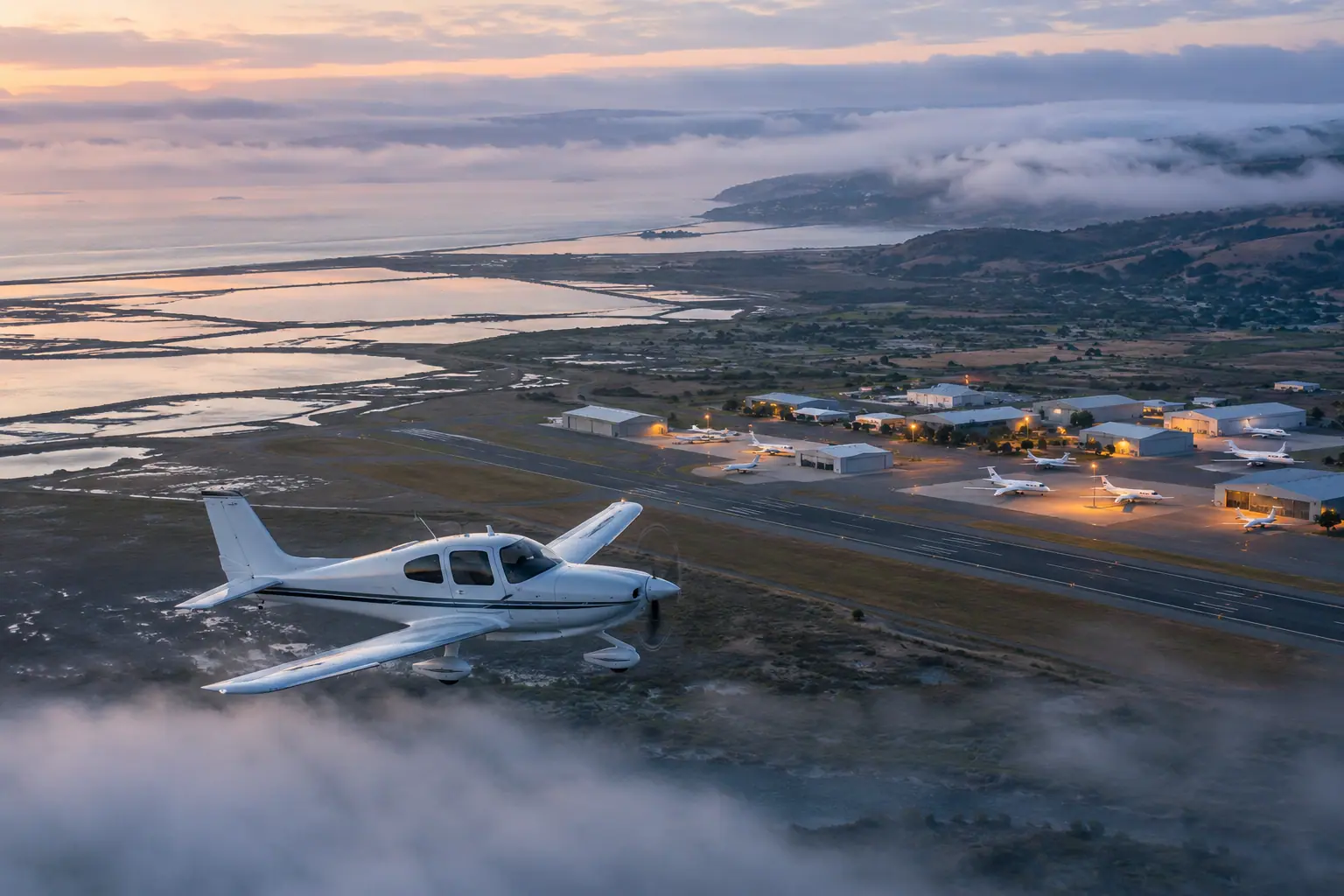
Private jet Hayward Executive guide
Hayward Executive sits across the bay from San Francisco with a 5,694 ft runway. July density altitude there runs near 600 ft, so light and midsize jets perform well. Here is how the field fits a Bay Area charter plan.
Private jet Hayward Executive movements are handled at KHWD, a general aviation field on the East Bay side of San Francisco Bay with an elevation of just 52 ft. Because it is a relief field for the big commercial hubs, it keeps the kind of schedule that matters when your day is built around a departure time. Corporate flight departments and regional charter operators both keep aircraft based here, and the ramp stays busy with business aviation rather than airline traffic. When you charter a private jet from San Francisco, this is one of the airports worth pricing first.
Hayward jets avoid the airline terminals and the long security queues at SFO that eat into a short trip. That is the practical argument for the field: you drive to a general aviation ramp, your crew meets you at the aircraft, and the process takes minutes rather than an hour. If your trip starts or ends in the East Bay, then you cut a bridge crossing and a chunk of freeway time from the front and back of the journey. For a client based in Oakland, Fremont or the Tri-Valley, the savings are real.
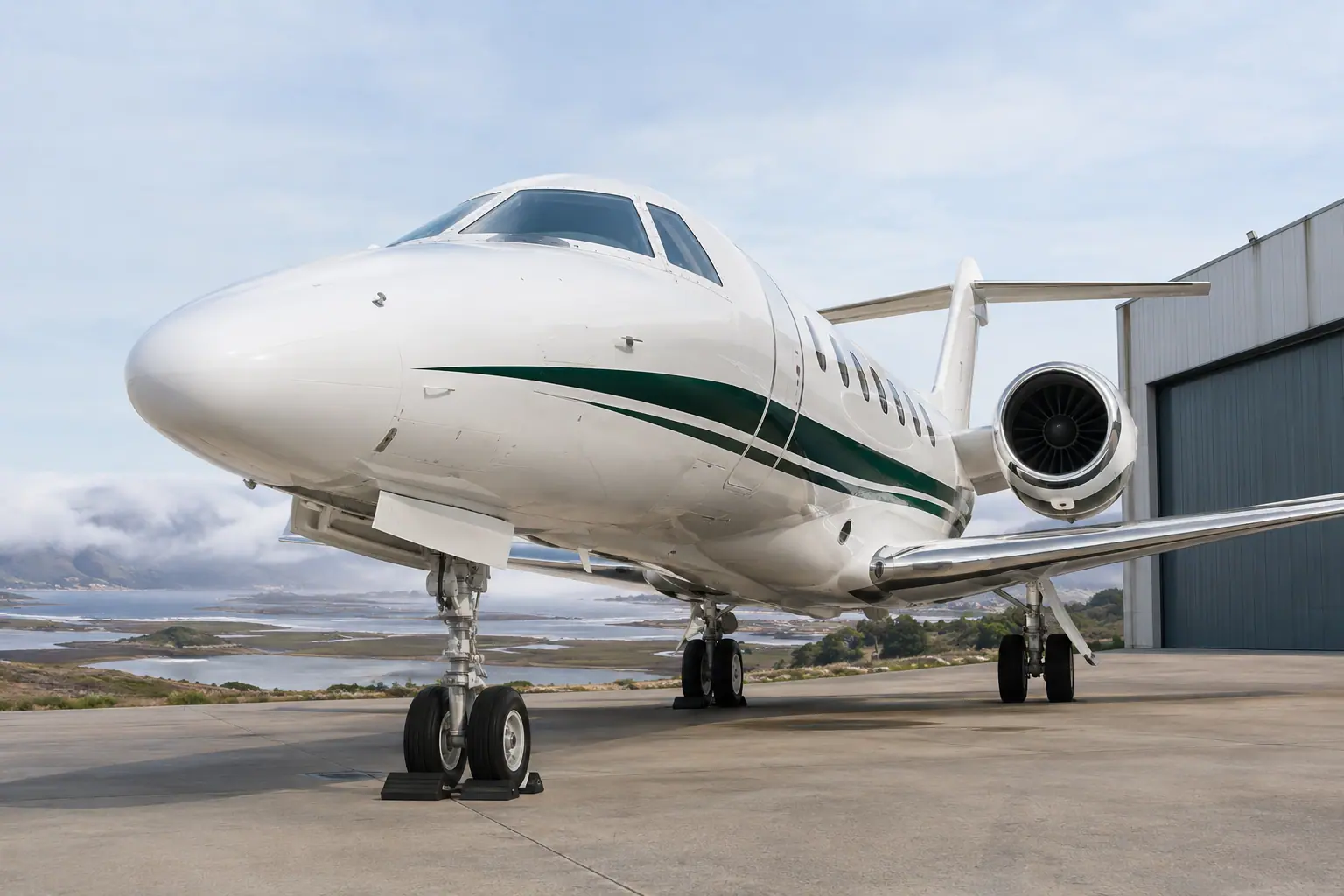
The airport handles light jets, midsize jets and turboprops without runway worries thanks to 5,694 ft of usable pavement. Turboprops and light jets are the natural fit for short hops to Los Angeles, Las Vegas or San Diego, while midsize cabins handle the longer runs. Fuel stops are easy on the field. If you are flying a heavier aircraft, then we compare the runway and weight numbers before quoting, because not every airframe is a comfortable match for every field.
For a party flying into San Francisco from New York, the field is a quiet alternative to the big international gateway. You land on the East Bay side and reach downtown by car or by a short transfer across the bay. Arrivals from outside the country clear customs at a designated port of entry, so we route those legs accordingly and build the clearance stop into the schedule rather than discovering it on the day.
Hayward Executive runway performance
KHWD lists a longest runway of 5,694 ft at 52 ft elevation, which covers most light and midsize jets. Field elevation is low enough that summer heat rarely becomes a hard limit here. Peak density altitude at 115F reaches about 1,300 ft, and July sits near 600 ft, so performance planning stays straightforward across the year. Crews still run the numbers for each flight. If you are loading a midsize cabin on a warm afternoon, then ask about weight and balance early, because payload choices are easier to settle at booking than at the ramp.
| Runway | Length | Width | Surface |
|---|---|---|---|
| 10R/28L | 5,694 ft | 150 ft | Asphalt |
| 10L/28R | 3,108 ft | 75 ft | Asphalt |
FBOs on the field
Two FBOs serve the field, APP Jet Center Hayward and Signature Aviation, formerly Meridian Hayward. Between them they handle fuel, ramp parking and the usual passenger comforts for arriving and departing flights. Which one your crew uses depends on the operator's arrangements and where the aircraft is parked, so we confirm the meeting point in your trip sheet rather than leaving you to guess. If you are dropping a passenger off, then ask for the FBO name in advance, since the two are in different parts of the field.
What this airport suits best
- East Bay departures from Oakland, Fremont and the Tri-Valley, where the drive to a general aviation ramp is shorter than the run to SFO
- Short and mid-range routes to Los Angeles, Las Vegas and San Diego in light and midsize jets
- Corporate travel where the schedule matters more than the terminal experience
- Arrivals and departures that need a quiet field on the bay side rather than a hub
| Class | Typical runway need | Here |
|---|---|---|
| Turboprop | 3,300 ft+ | Fits |
| Light jet | 4,000 ft+ | Fits |
| Midsize jet | 5,000 ft+ | Fits |
| Super-midsize jet | 5,200 ft+ | Fits |
| Heavy jet | 5,600 ft+ | Fits |
Weather and density altitude by season
July density altitude at Hayward runs near 600 ft, and the cool marine air keeps summer departures easy. Spring and fall sit between roughly 200 ft and 800 ft, and the winter months drop near or below sea level on the density altitude scale. The practical effect is that heat is rarely the constraint on a departure here. Rain is another matter, with wet days concentrated from November through February, so a winter plan benefits from a little schedule slack.
San Francisco Bay Area weather can be clear at the field and fogged in ten miles away, so we watch both ends of the route. When a coastal layer rolls in, the East Bay often stays open while other fields slow down. If your trip is time-sensitive, then building in an alternate airport on the same day is the sensible hedge, and we price that into the plan rather than treating it as an emergency.
| Month | Mean max | Wet days | Density altitude |
|---|---|---|---|
| Jan | 57°F | 10 | -100 ft |
| Feb | 59°F | 8 | 100 ft |
| Mar | 59°F | 9 | 100 ft |
| Apr | 61°F | 5 | 200 ft |
| May | 63°F | 2 | 300 ft |
| Jun | 67°F | 0 | 600 ft |
| Jul | 67°F | 0 | 600 ft |
| Aug | 68°F | 0 | 700 ft |
| Sep | 70°F | 1 | 800 ft |
| Oct | 69°F | 3 | 700 ft |
| Nov | 62°F | 7 | 300 ft |
| Dec | 56°F | 10 | -100 ft |
Getting to and from the field
The field sits close to the Nimitz Freeway and the San Mateo Bridge, which makes it a practical East Bay pick. Driving times vary with traffic, and the bridge approach can back up on weekday evenings, so we build a buffer into pickup times. If your flight lands during the afternoon peak, then a car waiting at the FBO saves a slow scramble. For international arrivals, CBP clearance is arranged at a designated port of entry, and we confirm the routing before you book.
Private jet routes via Hayward
These 6 private jet routes span 285 to 2,308 nautical miles, with one-way light jet estimates running from $4,000 to $39,000.
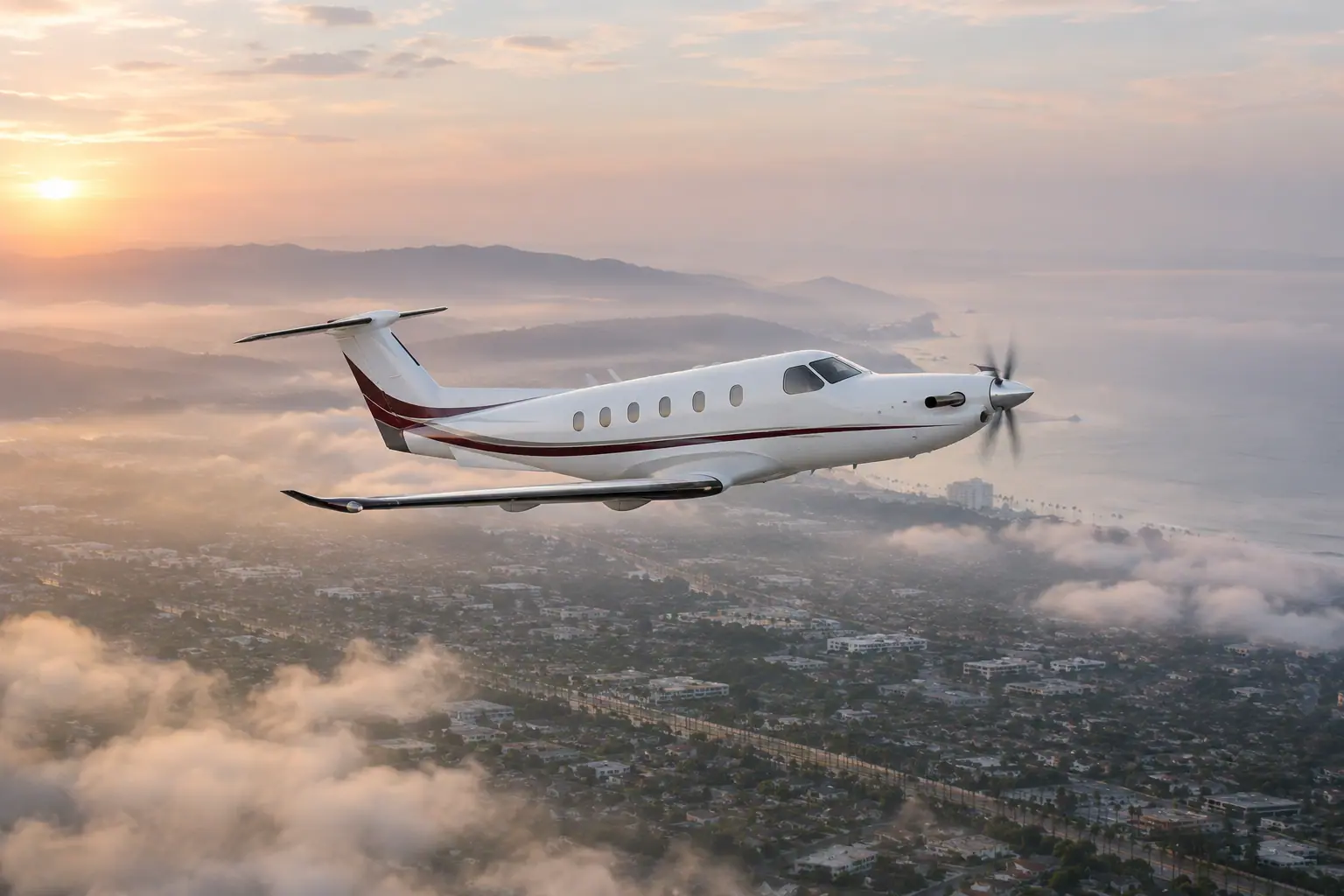
Los Angeles → San Francisco
- 1h 00m
- $4,000–$6,000
- 285 nm
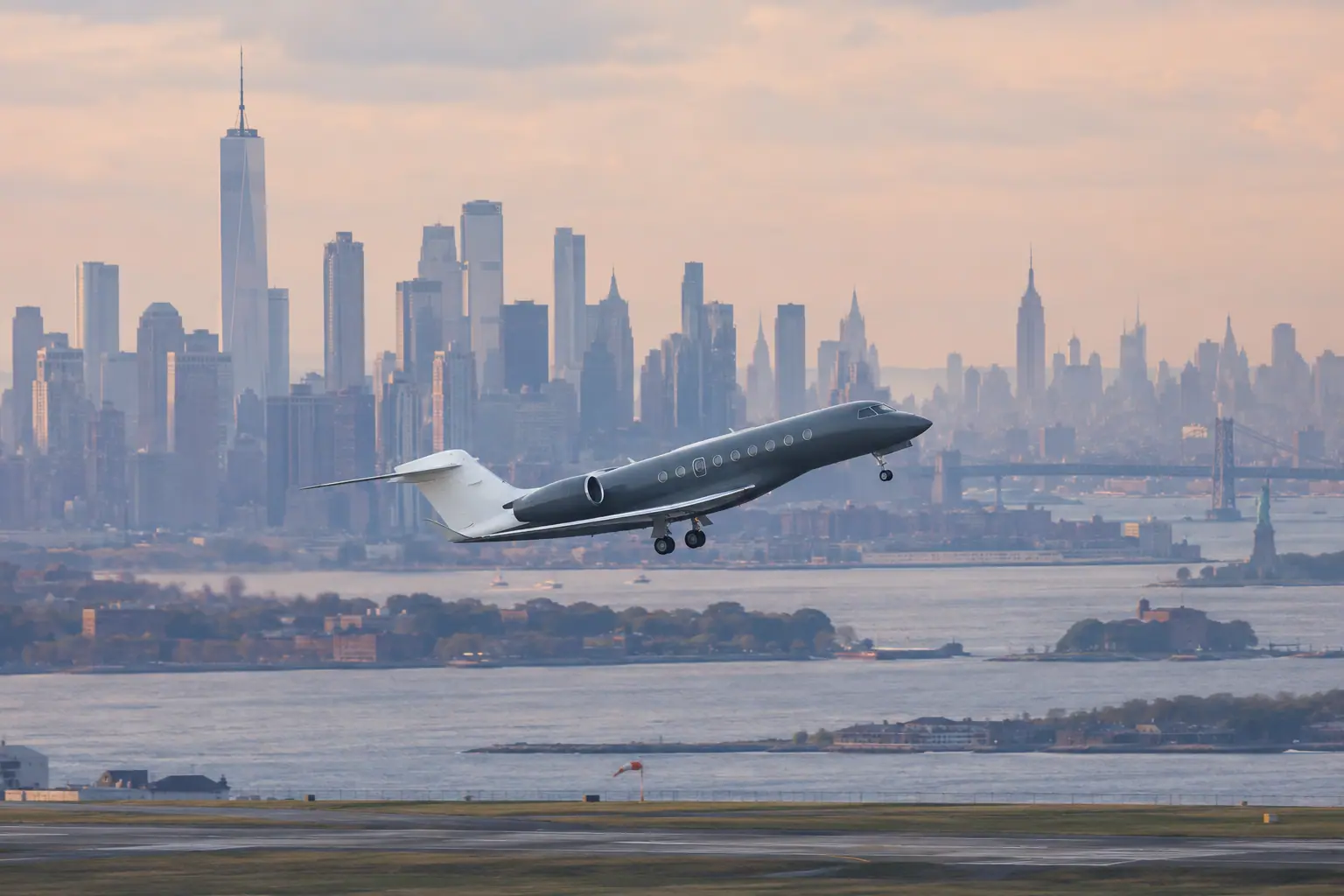
New York → San Francisco
- 6h 26m
- $24,500–$37,500
- 2,205 nm
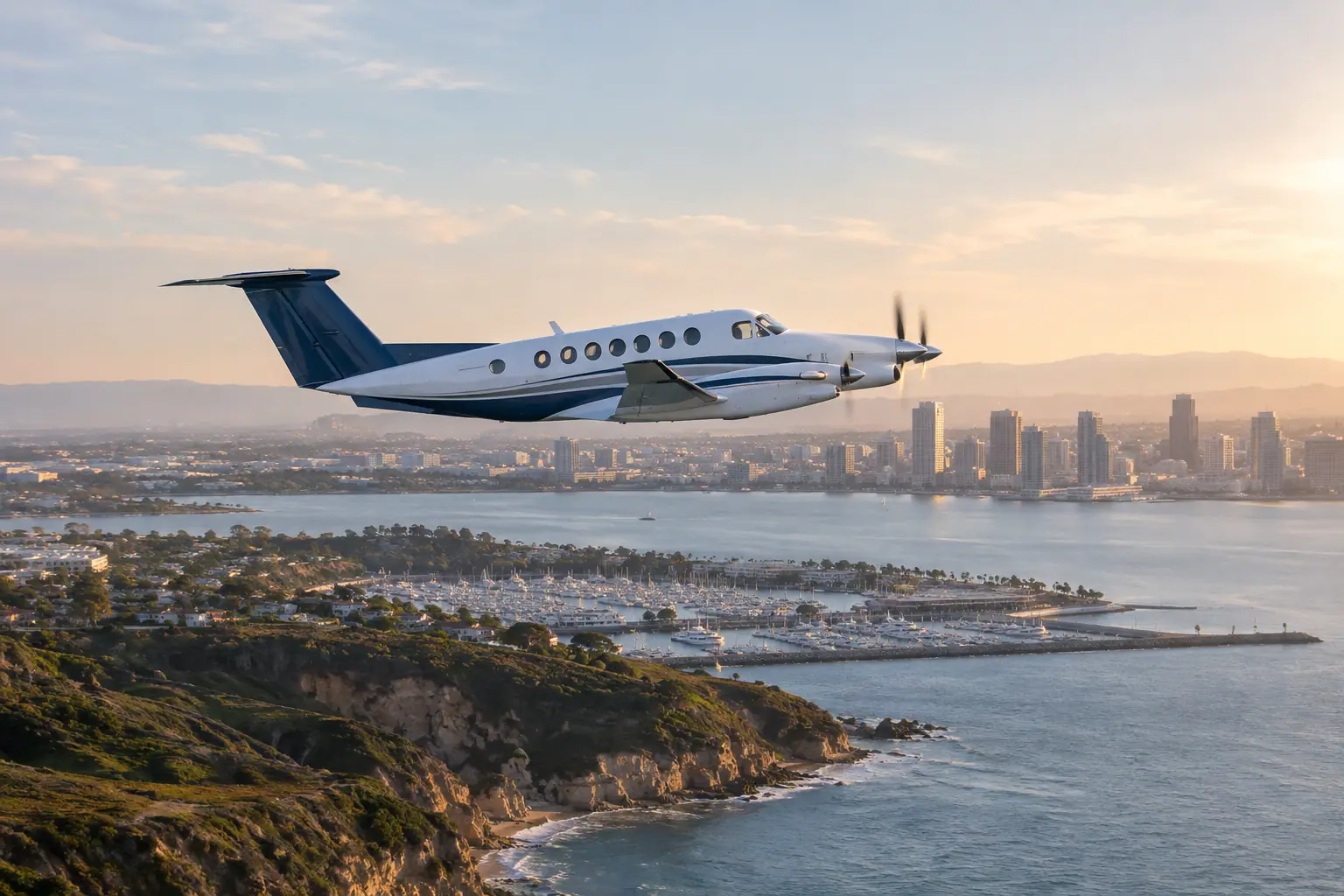
San Diego → San Francisco
- 1h 13m
- $4,500–$7,000
- 374 nm
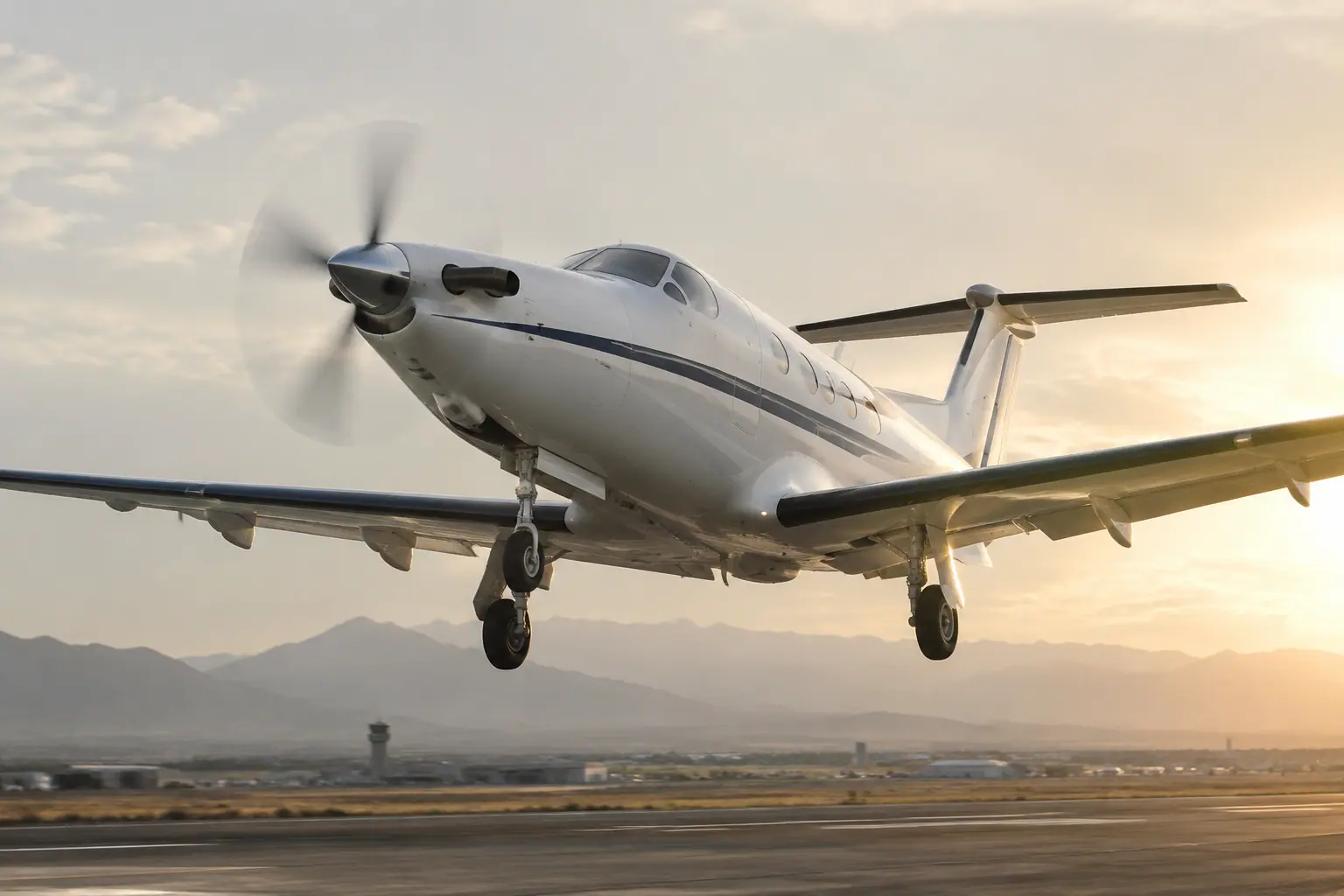
Las Vegas → San Francisco
- 1h 09m
- $4,500–$6,500
- 350 nm
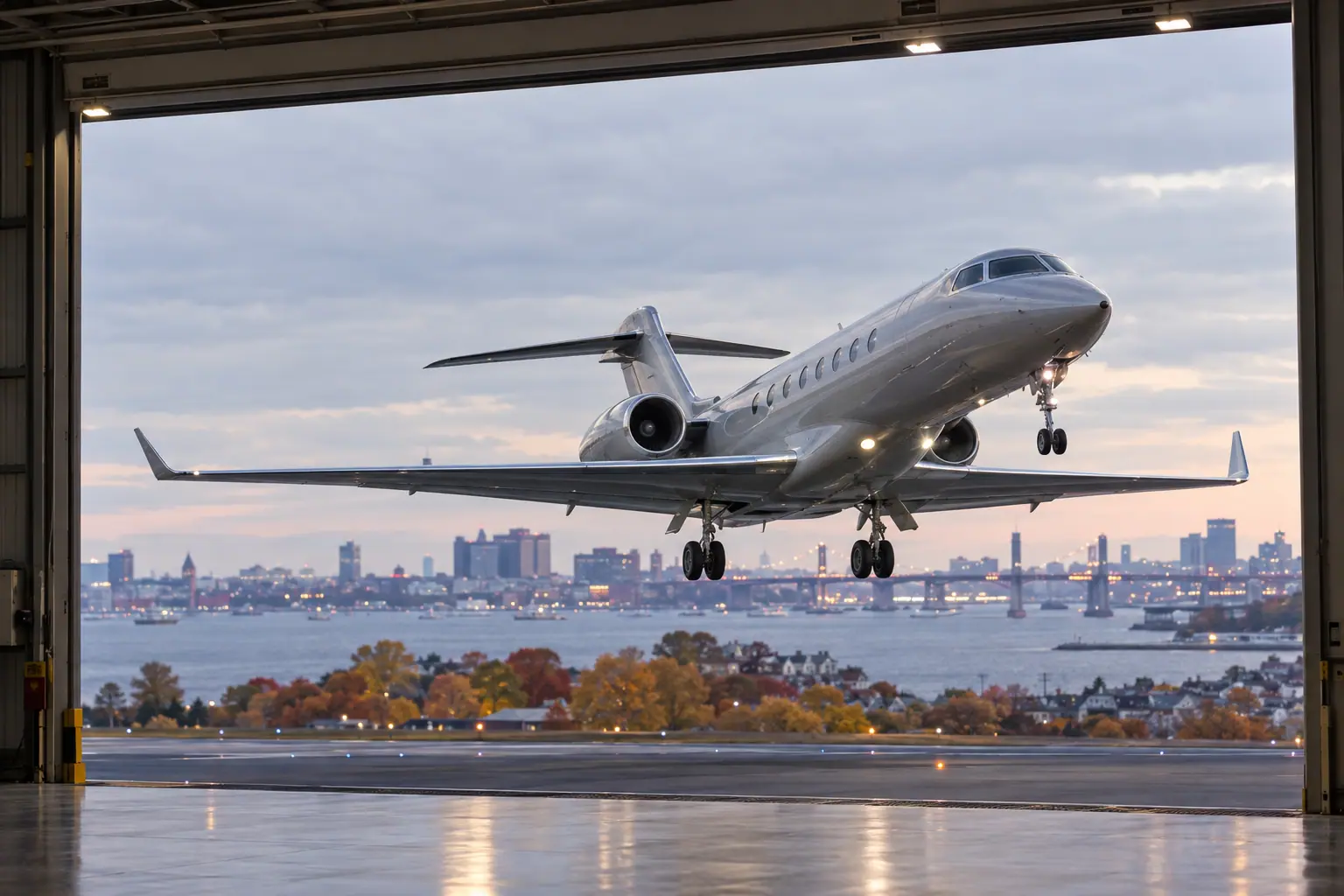
Boston → San Francisco
- 6h 41m
- $25,500–$39,000
- 2,308 nm
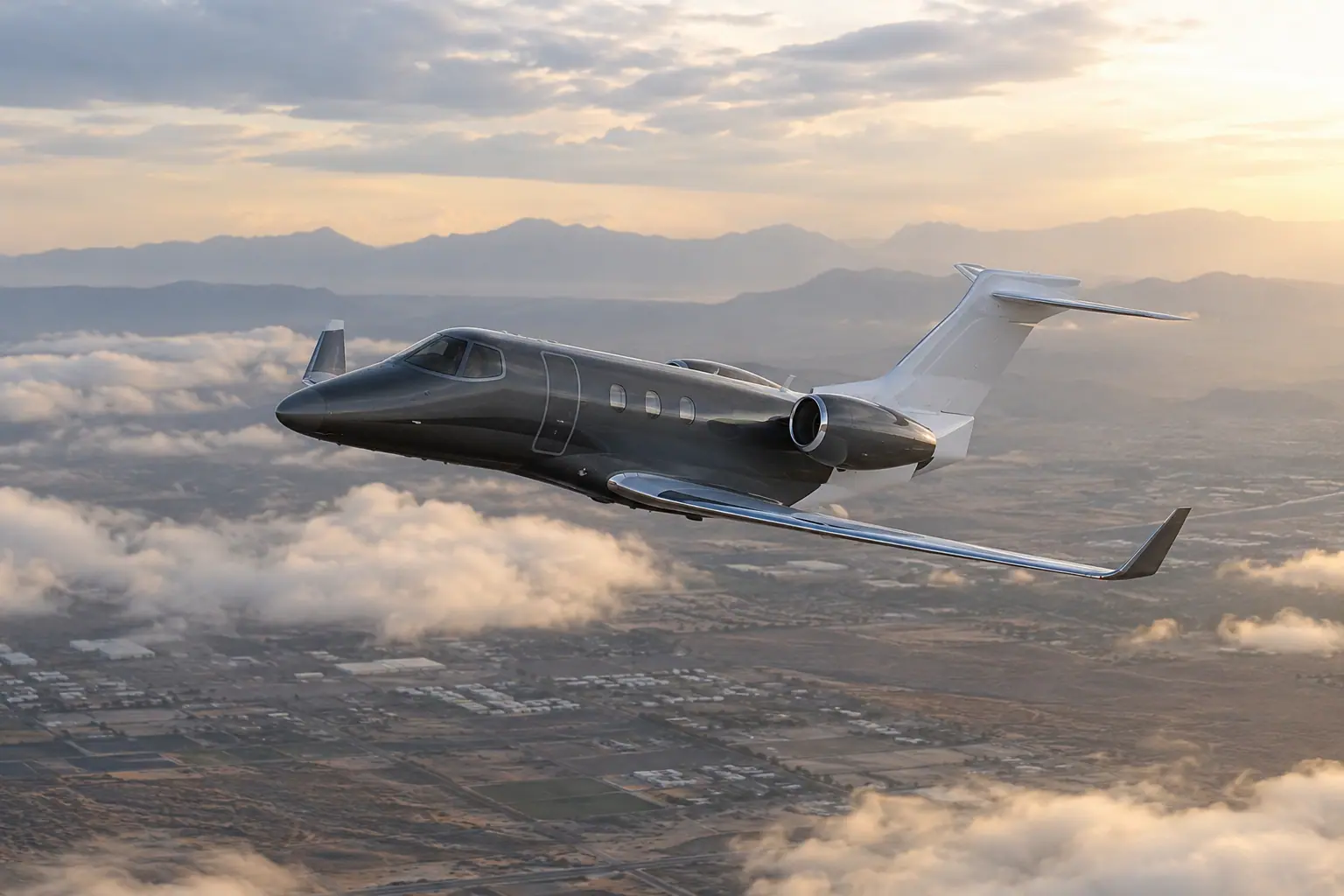
Phoenix → San Francisco
- 1h 38m
- $6,000–$9,500
- 549 nm
This airport's questions
How long is the runway at Hayward Executive for a private jet Hayward Executive departure?
The longest runway is 5,694 ft at a field elevation of 52 ft. That is enough pavement for most light and midsize jets, including on warm summer afternoons when density altitude sits near 600 ft in July. Heavier aircraft get a performance check before we quote, because payload and temperature both affect the numbers.
How far is the field from downtown San Francisco?
Allow for a drive across the bay rather than a short hop; the field is on the East Bay side, not in the city. Traffic on the bridge approaches and the Nimitz Freeway determines the real time, so we add a buffer for weekday afternoon pickups. Your trip sheet names the FBO so the car meets you at the right ramp.
Which FBOs handle flights at KHWD?
Two: APP Jet Center Hayward and Signature Aviation, formerly Meridian Hayward. Both support fuel, parking and passenger handling. Your operator's arrangements decide which one is used, and we confirm it in advance. If you are dropping someone off, ask for the FBO name, since the two sit in different parts of the field.
Does summer heat affect departures from this airport?
Rarely. July density altitude is about 600 ft and the peak at 115F reaches roughly 1,300 ft, which is modest for a field at 52 ft elevation. Crews still run performance numbers for each flight, and if you are loading a heavy midsize cabin, then settling weight early keeps the departure simple.
Can I clear customs arriving from outside the country?
Not at every field, so the routing matters. Arrivals from abroad clear CBP at a designated port of entry, and we plan the clearance stop into the itinerary rather than leaving it to the day of travel. If your leg starts outside the United States, then tell us at the quote stage so the schedule reflects it.
Who operates the aircraft on a charter booked through a broker?
Flights are flown by FAA Part 135 operators who hold operational control of the aircraft; the broker arranges the trip as an agent under DOT Part 295 rules. We do not own the aircraft. That structure is normal in charter, and it is why we confirm the operator, tail number and crew details before your flight.